5 Costly Mistakes in Commercial Property Access Control
Commercial property security is about more than locking doors. Offices, warehouses, healthcare facilities, retail properties, and mixed-use buildings need to control who enters, when they can enter, and which areas they can access. Well-designed access control systems make that possible while giving property managers greater visibility over daily activity.
However, poor planning can turn a security investment into an expensive problem. The most Costly Mistakes Access Control projects face often begin before equipment is installed. Choosing incompatible technology, ignoring future expansion, or hiring the wrong access control company can result in security gaps, operational problems, and additional expenses.
Avoiding common Mistakes in Commercial Property Access Control starts with understanding how the entire property operates. From selecting commercial access control technology to planning professional access control installation, every decision should support security today and future needs. Here are five mistakes commercial property owners should avoid.
1. Choosing Access Control Systems Without Assessing the Property
One of the biggest Mistakes in Commercial Property Access Control is purchasing equipment before completing a proper site assessment.
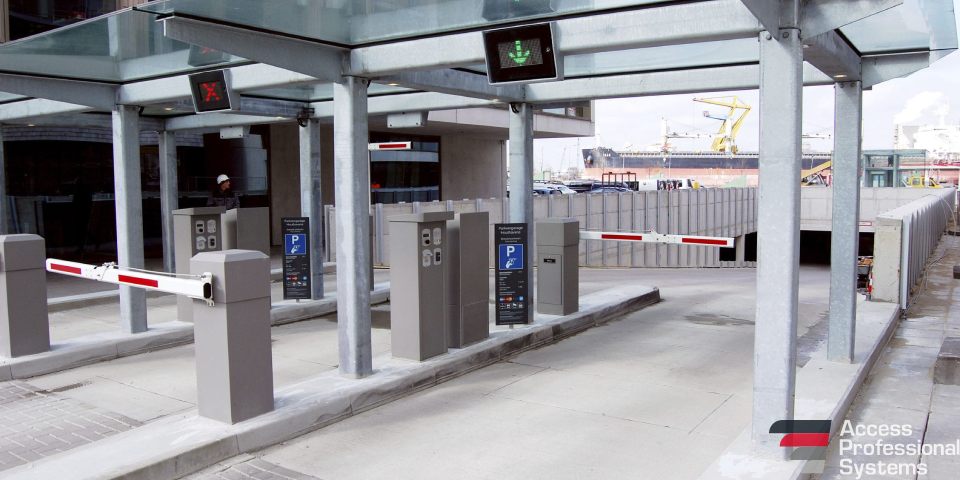
Not every entrance requires the same level of protection. A public lobby, employee entrance, loading dock, server room, parking garage, and executive office may each have different access control security requirements.
Effective access control systems should be designed around factors such as:
- Number and type of entrances
- Employee and visitor traffic
- Restricted areas
- Operating schedules
- Existing doors and locking hardware
- Emergency requirements
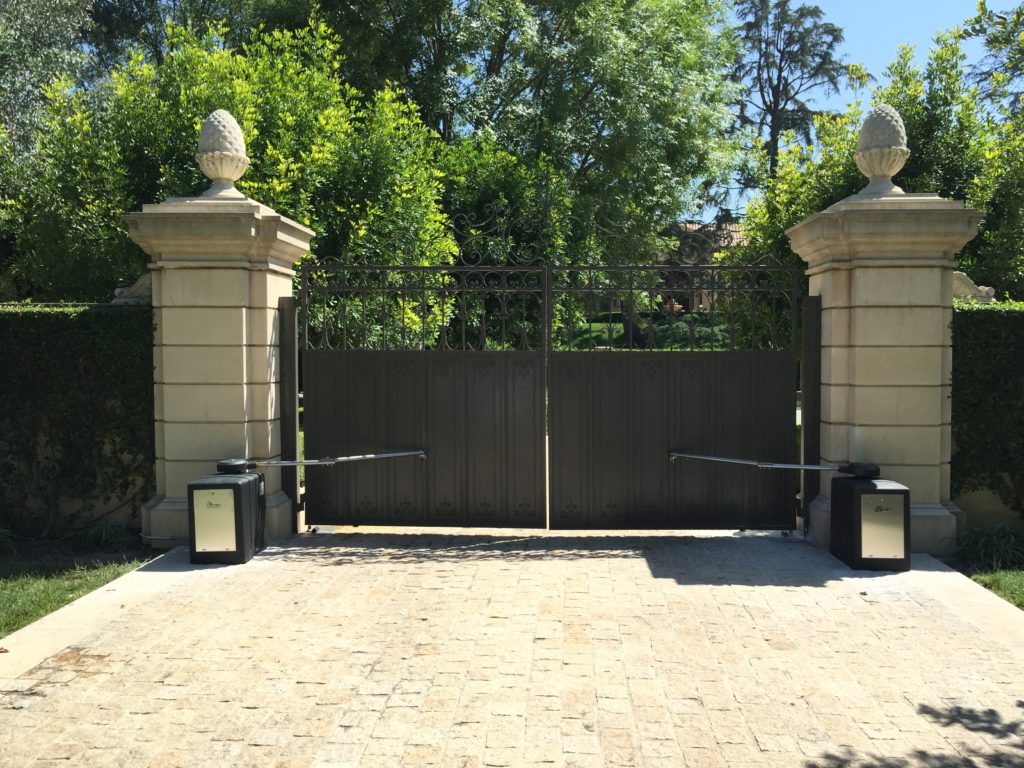
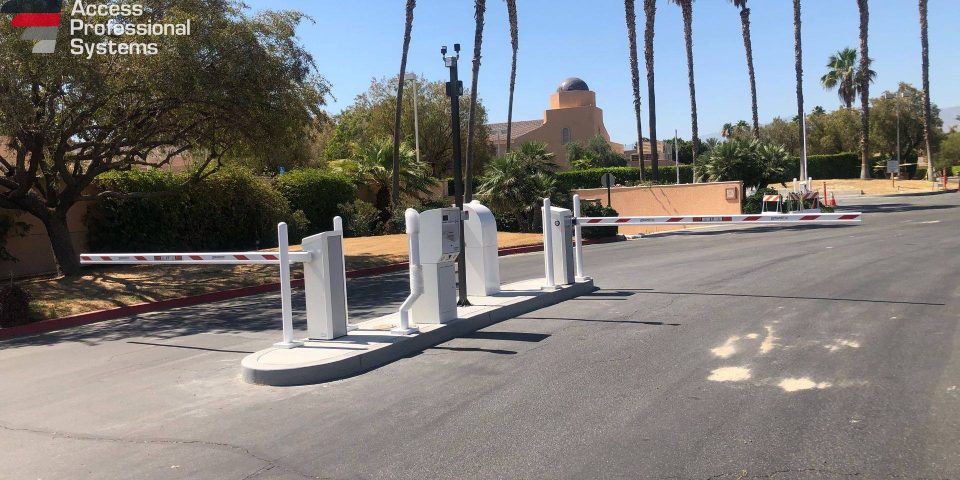
- Parking and gate access
- Future expansion plans
Installing generic access control solutions without understanding these factors can leave important areas underprotected while wasting money on unnecessary equipment elsewhere.
An experienced access control company should evaluate the facility before recommending hardware. This allows building access control systems to be designed around actual risks and workflows instead of assumptions.
2. Selecting Commercial Access Control That Cannot Scale
Your building may have five controlled doors today. What happens when you add another floor, expand into an adjacent building, or open another location? Failing to plan for growth is another of the most Costly Mistakes Access Control projects can encounter.
Older commercial access control platforms may become difficult or expensive to expand. Adding doors, users, locations, or integrations could require new equipment or major system changes.
Modern access control solutions should provide room for growth. Scalable building access control systems allow businesses to add users, credentials, doors, and locations without rebuilding their entire security infrastructure.
This is particularly important for property management groups and organizations managing multiple facilities. When evaluating access control systems, consider what the property could require three or five years from now, not simply what it requires today.
3. Ignoring Cloud Based Access Control and Remote Management
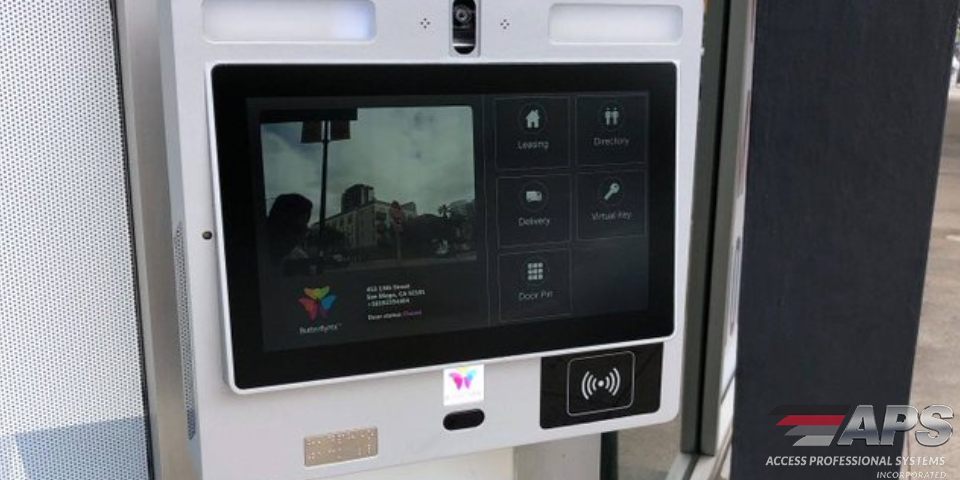
Relying exclusively on locally managed security technology can limit how quickly teams respond when access needs change. Modern cloud based access control gives authorized administrators greater flexibility to manage credentials and monitor their systems without always being physically present at the property.
Depending on the selected platform, cloud based access control can allow security teams to update user permissions, review activity, manage multiple locations, and respond to access issues through a centralized interface. For organizations with multiple commercial properties, this can make commercial access control considerably easier to administer.
Cloud connectivity does not eliminate the need for good security practices. The selected access control company should consider cybersecurity, administrator permissions, authentication, system configuration, and the property’s operational requirements.
Ignoring these considerations when evaluating cloud based access control is one of the Mistakes in Commercial Property Access Control that can limit the long-term value of an otherwise modern system.
4. Treating Access Control Installation as a Simple Hardware Job
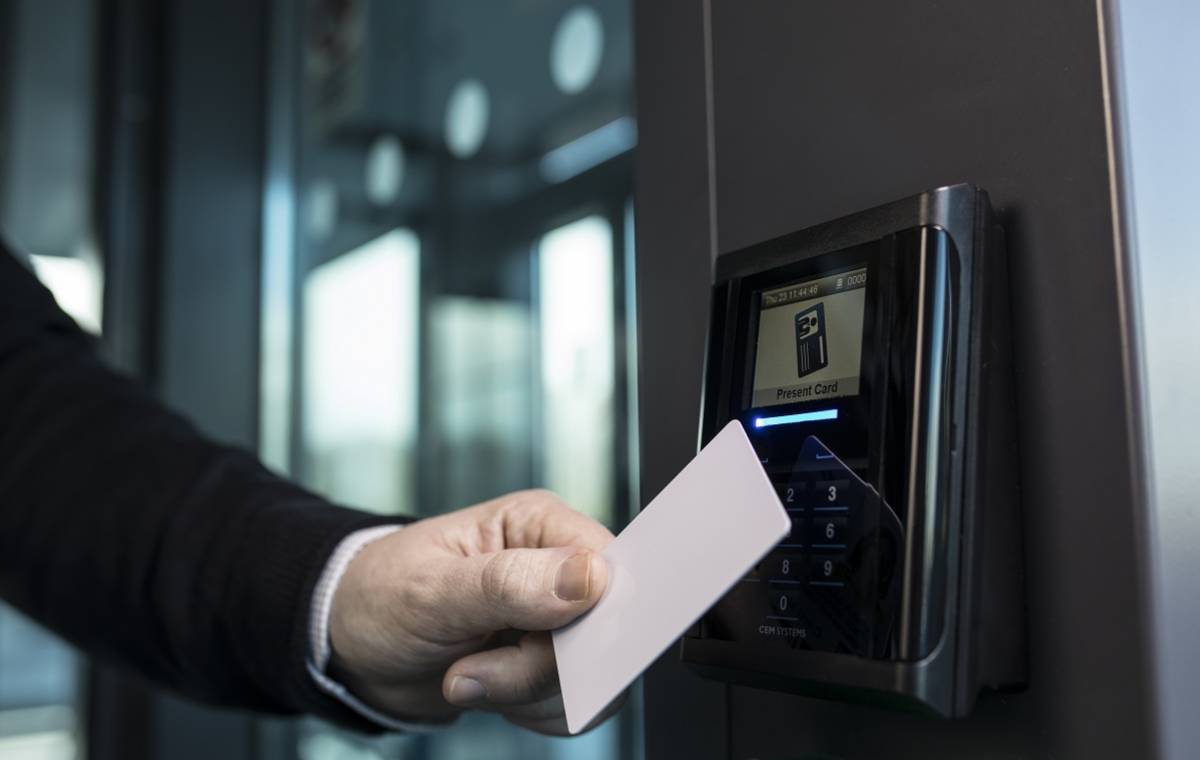
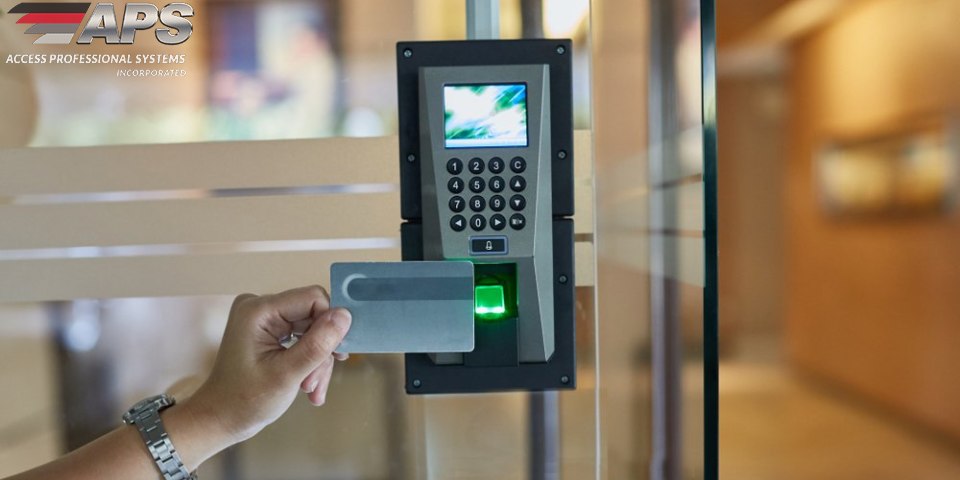
Even excellent technology can perform poorly when installed incorrectly. Professional access control installation involves much more than mounting readers beside doors. Door hardware, locks, controllers, power supplies, wiring, credentials, software, network connectivity, and life-safety requirements all need to work together correctly.
Poor access control installation can lead to unreliable doors, inconvenient entry, unnecessary service calls, or gaps in access control security. This is why choosing a qualified access control company matters.
Before installation begins, the provider should understand how employees, visitors, contractors, and management teams use the property. The goal is to create access control solutions that strengthen security without making normal business operations unnecessarily difficult.
Professional access control installation also helps ensure that components of building access control systems operate as one coordinated solution rather than disconnected pieces of equipment.
5. Failing to Review Access Control Security After Installation
One of the most overlooked Costly Mistakes Access Control programs face happens after the project is complete: assuming the system can simply be left alone. Employees leave. Contractors finish projects. Tenants change. Business hours shift. New restricted areas are created. Credentials can remain active long after someone should have lost access. Strong access control security therefore requires ongoing management.
Organizations should regularly review:
- Active users and credentials
- Employee access levels
- Visitor and contractor permissions
- Door schedules
- Administrator accounts
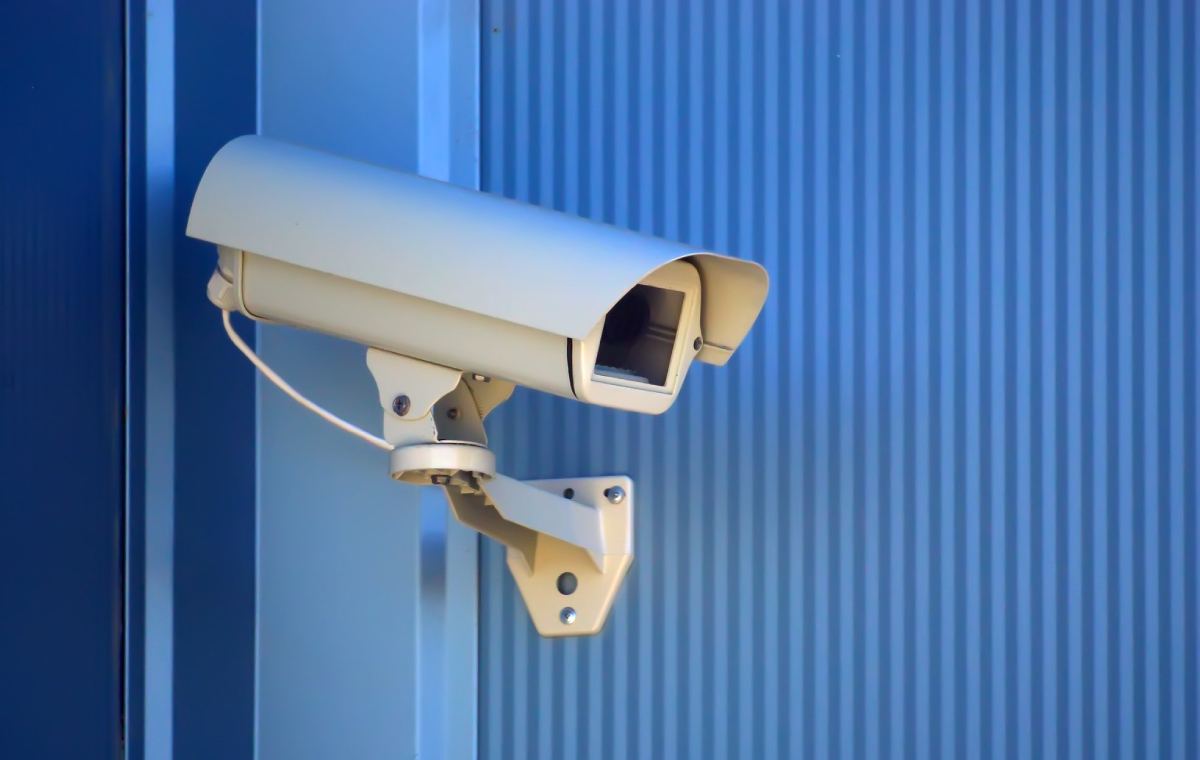
- Security events and activity logs
- System updates
- Changes to restricted areas
Routine reviews help ensure commercial access control continues to reflect the way the property actually operates.
Modern access control systems, especially systems with centralized administration, can make these reviews easier. Your access control company can also help identify whether maintenance, upgrades, or system changes are necessary as the facility evolves.
Avoid Costly Mistakes in Commercial Property Access Control With Access Professional Systems
The best access control solutions begin with proper planning. Access Professional Systems works with commercial properties to evaluate security requirements and implement building access control systems designed around real-world operations.
Instead of approaching commercial access control as a collection of readers and locks, the focus should be on creating a coordinated security strategy. That includes system design, credential management, professional access control installation, remote management options, and long-term scalability.
Whether you’re replacing an outdated system or planning security for a new facility, Access Professional Systems can help identify the technology and configuration that best support your property. Avoiding the most common Mistakes in Commercial Property Access Control today can prevent expensive changes and security problems later.
Conclusion
Commercial properties need security systems that can adapt as people, facilities, and operational requirements change. The most Costly Mistakes Access Control projects face often come from poor planning rather than the technology itself. Choosing the wrong platform, ignoring scalability, overlooking cloud based access control, accepting poor installation, or failing to review permissions can undermine the entire investment.
Well-planned access control systems provide stronger security, easier administration, and greater long-term flexibility. Working with an experienced access control company such as Access Professional Systems helps businesses approach access control security as a complete strategy rather than a one-time equipment purchase.
Frequently Asked Questions
1. What are the most common mistakes in commercial property access control?
Common Mistakes in Commercial Property Access Control include skipping a site assessment, choosing systems that cannot scale, ignoring remote management, using inexperienced installers, and failing to regularly review credentials. Each mistake can reduce security and increase long-term ownership costs.
2. How do I choose the right access control systems for a commercial building?
Start by assessing entrances, restricted spaces, user groups, operating hours, visitor traffic, and future growth. The right access control systems should balance access control security, everyday convenience, scalability, integration requirements, and professional support rather than being selected on hardware price alone.
3. Is cloud based access control better for commercial properties?
Cloud based access control can be particularly useful for commercial properties requiring centralized or multi-location management. Authorized teams may be able to manage credentials, review activity, and update permissions remotely, but the right choice still depends on security, connectivity, and operational requirements.
4. Why should businesses use a professional access control company for installation?
A professional access control company can assess the property, recommend appropriate technology, coordinate door hardware and system components, and complete access control installation around operational and security requirements. Proper design reduces the risk of unreliable performance and expensive corrections later.
5. How often should commercial access control permissions be reviewed?
Businesses should review commercial access control permissions regularly and whenever employees, tenants, vendors, or operational responsibilities change. Periodic audits help identify unnecessary credentials, inappropriate permissions, outdated schedules, and other issues that could weaken overall access control security.
Share: