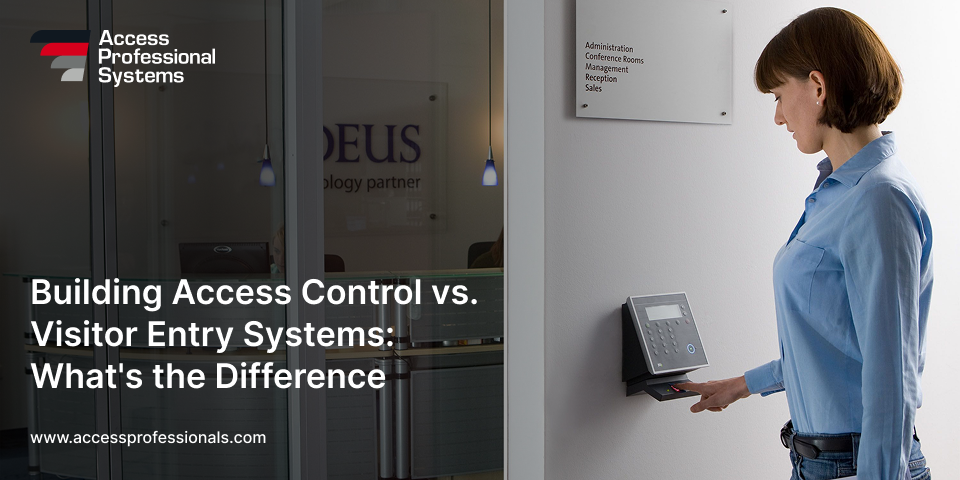
Building Access Control vs. Visitor Entry Systems: What’s the Difference
Controlling who enters a commercial property is a fundamental part of building security. However, employees, tenants, vendors, delivery personnel, and one-time guests should not necessarily be managed in the same way. This is where understanding Building Access Control vs. Visitor Entry Systems becomes important.
Building access control systems primarily manage ongoing access for known users, such as employees or tenants. A visitor entry system, on the other hand, helps identify, approve, and track temporary guests. Modern properties often combine both through access control and visitor management to create a more complete security strategy.
Technology can include cards, mobile credentials, a video intercom system, digital check-in tools, and intelligent door entry systems. The right configuration depends on who enters the property, how frequently they visit, and which areas they should be allowed to access.
This guide explains Building Access Control vs. Visitor Entry Systems, how each technology works, and when businesses should integrate both.
Building Access Control vs. Visitor Entry Systems: The Main Difference
The simplest difference comes down to permanent versus temporary access. Building access control systems are generally designed for known users who require recurring access. Employees, tenants, authorized contractors, and property management teams may receive cards, fobs, PINs, mobile credentials, or other approved credentials.
A visitor entry system focuses on people who do not require permanent credentials. This may include clients, delivery personnel, job candidates, vendors, guests, or temporary contractors.
Here is the basic distinction:
| Building Access Control | Visitor Entry System |
|---|---|
| Recurring users | Temporary visitors |
| Permanent or scheduled credentials | Temporary authorization |
| Controls doors and restricted areas | Manages guest entry |
| Tracks credential activity | Records visitor activity |
| Supports ongoing security | Supports visitor access management |
For many commercial properties, the strongest approach is not choosing one or the other. It is integrating access control and visitor management so permanent users and temporary visitors can be managed through a coordinated security strategy.
What Are Building Access Control Systems?
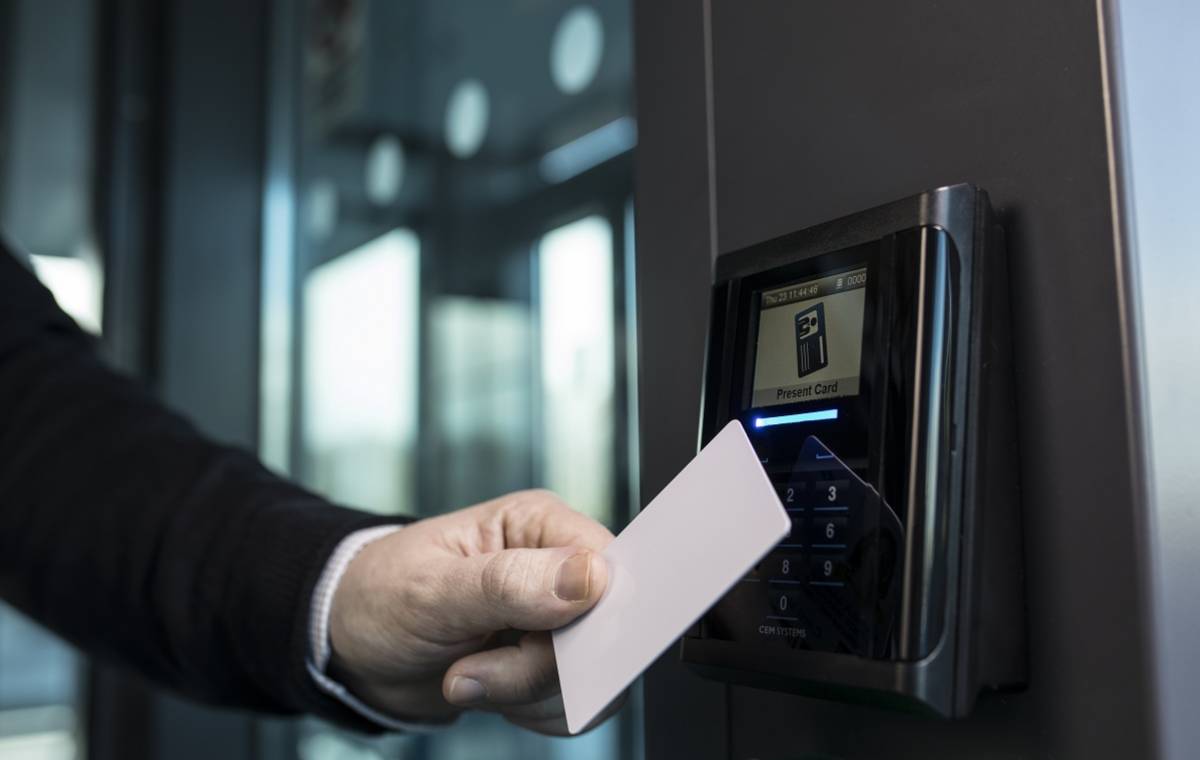
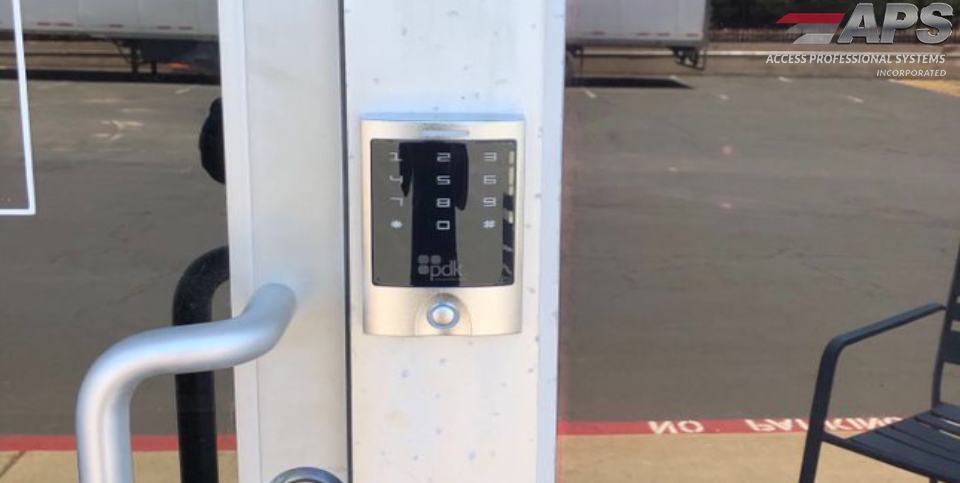
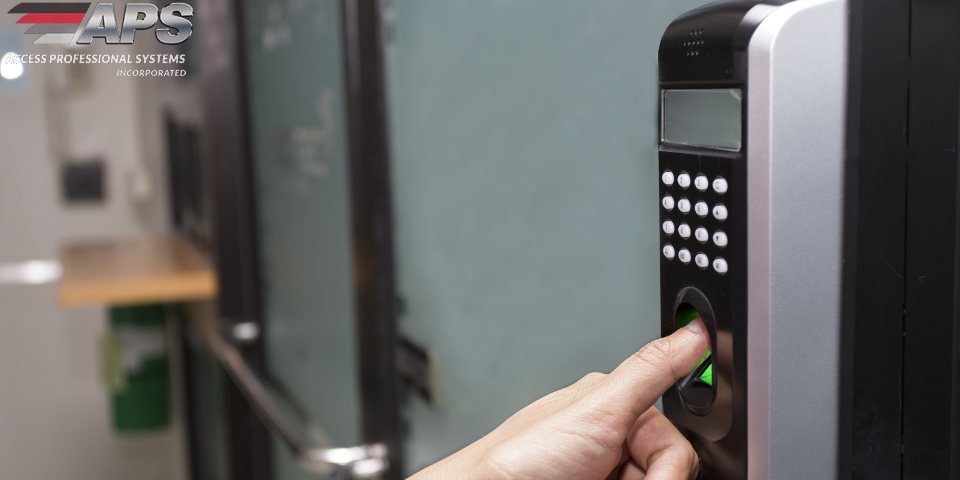
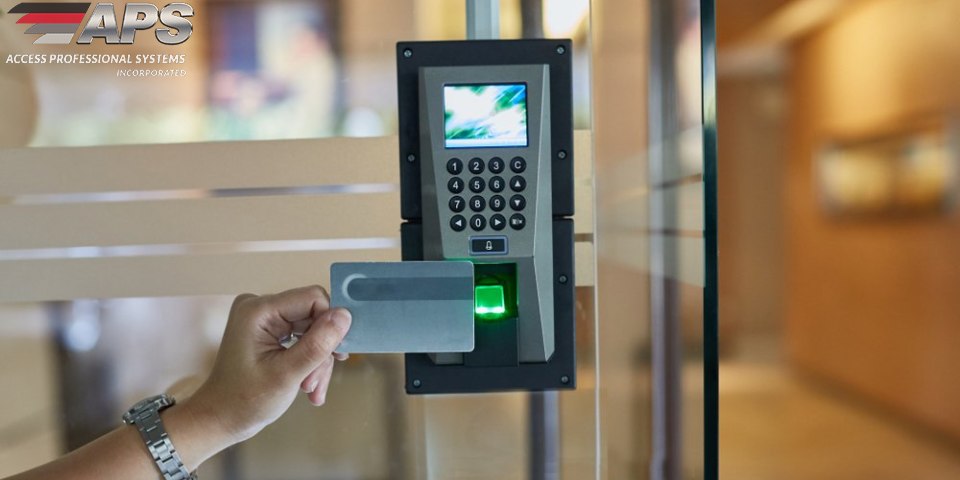
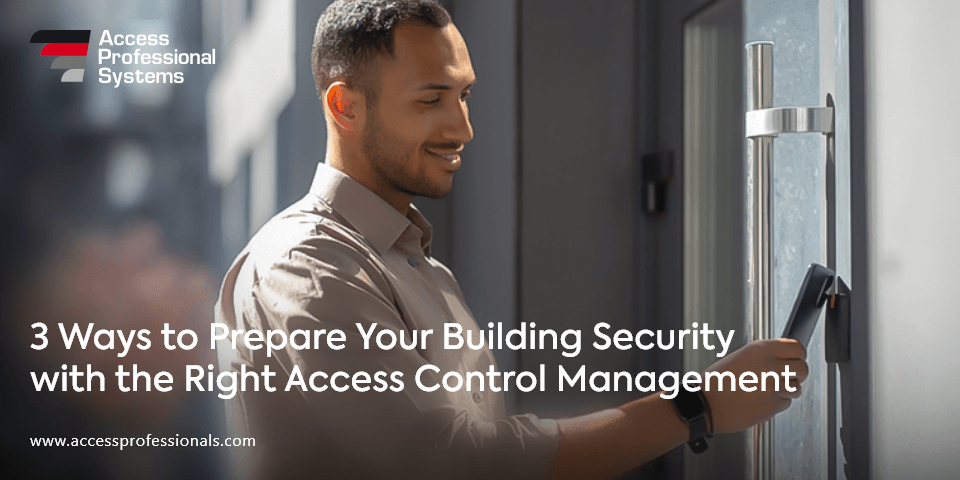
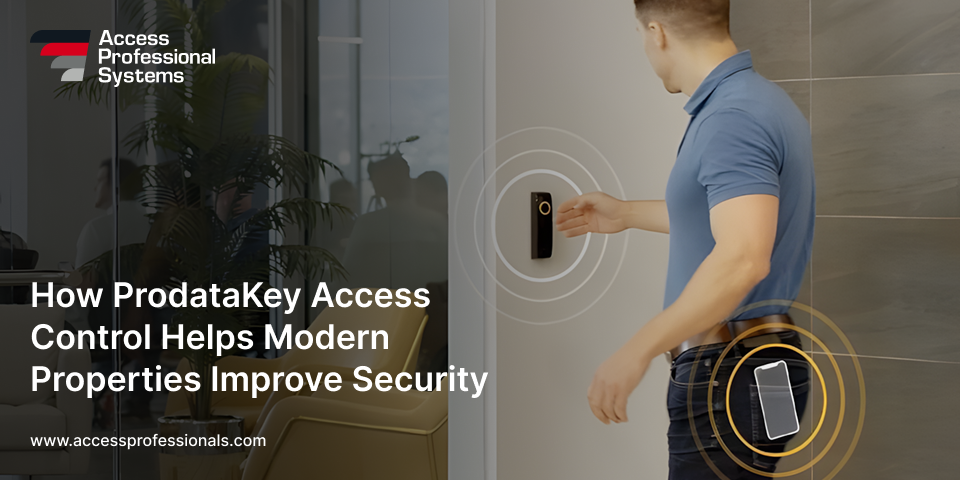
Building access control systems determine whether an individual has permission to enter a building or specific restricted area. Instead of relying entirely on mechanical keys, modern building entry systems can use credentials such as key cards, fobs, smartphones, PIN codes, or biometric authentication.
When someone presents a credential, the system checks their permissions before allowing the connected door to unlock. Modern door entry systems can also create records of credential activity, giving authorized administrators greater visibility into building access.
For example, an employee might have access to the main entrance between 7:00 a.m. and 7:00 p.m. but not to a restricted server room. Properly configured building access control systems can apply these permissions automatically.
These capabilities make modern building entry systems useful for offices, healthcare properties, educational campuses, industrial facilities, multifamily buildings, and mixed-use developments.
What Is a Visitor Entry System?
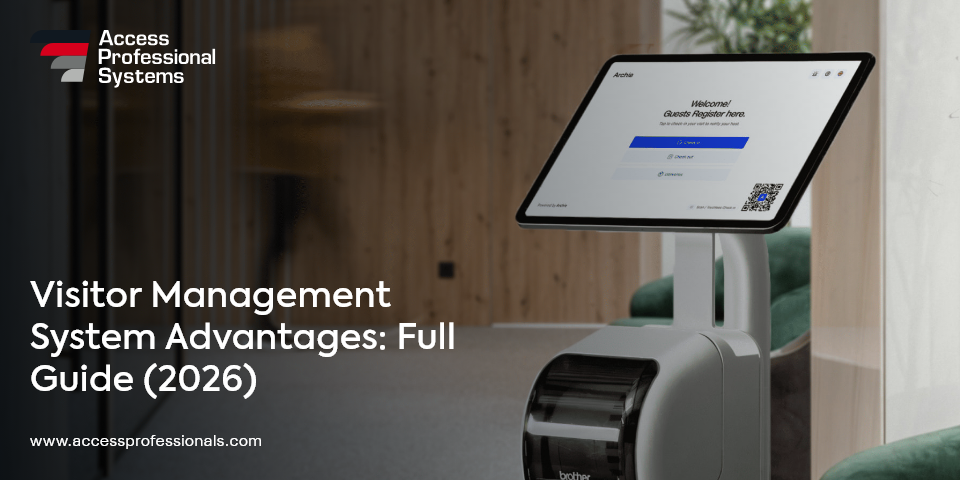
A visitor entry system manages temporary access for people who are not regular credential holders. Instead of simply unlocking the front door whenever someone arrives, a modern visitor access control system can provide a structured process for identifying and approving guests.
Depending on the property, visitor access management may include:
- Visitor pre-registration
- Host notifications
- Digital check-in
- Temporary credentials
- QR codes
- Scheduled access
- Visitor logs
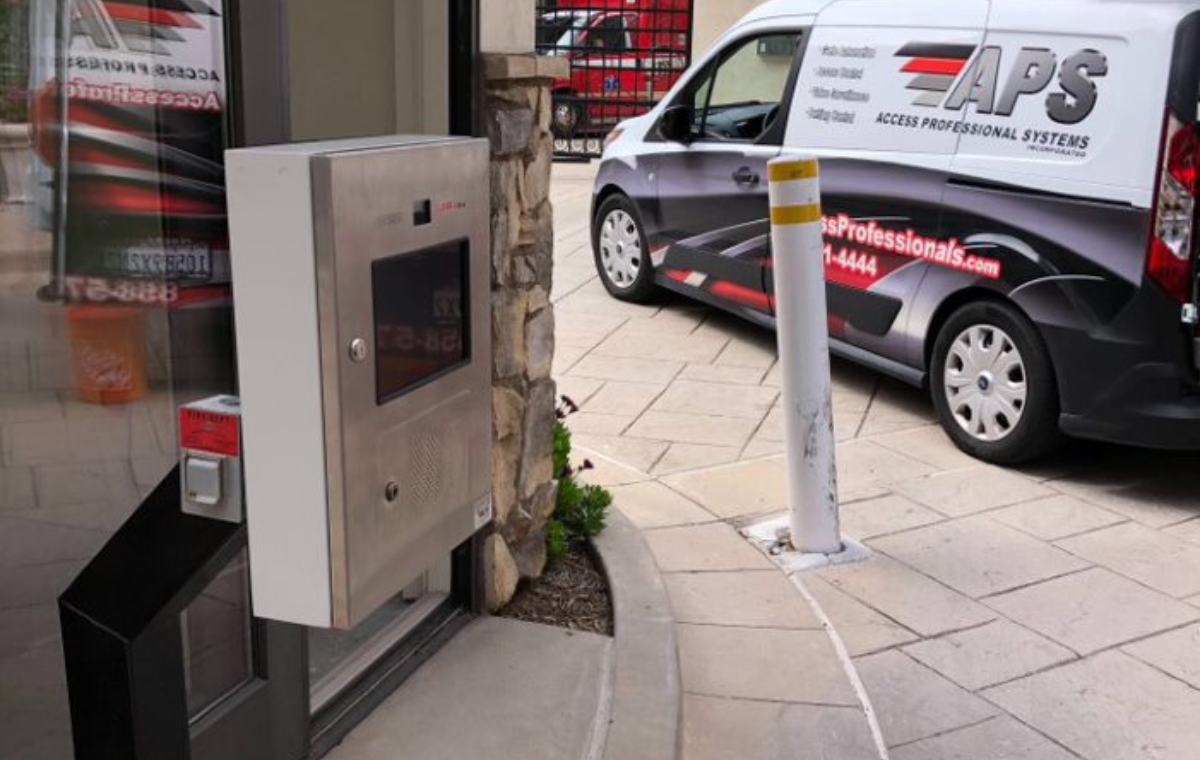
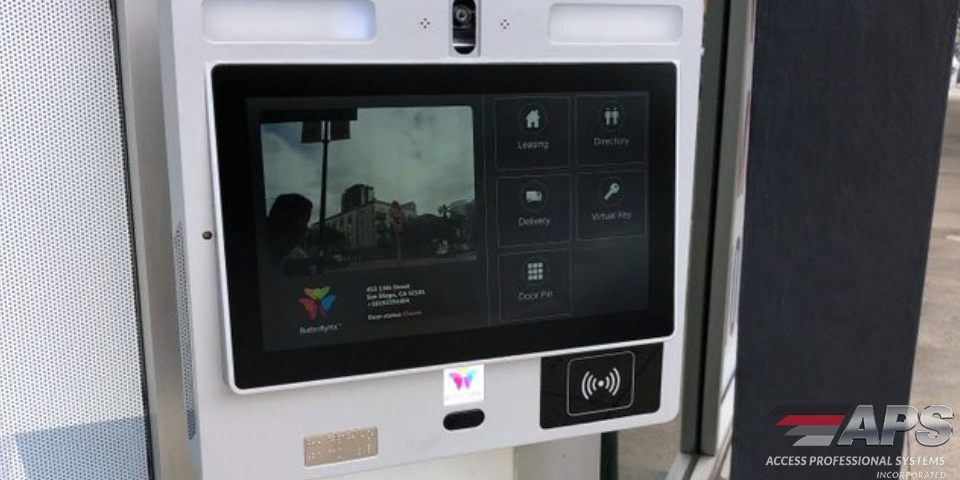
- A video intercom system
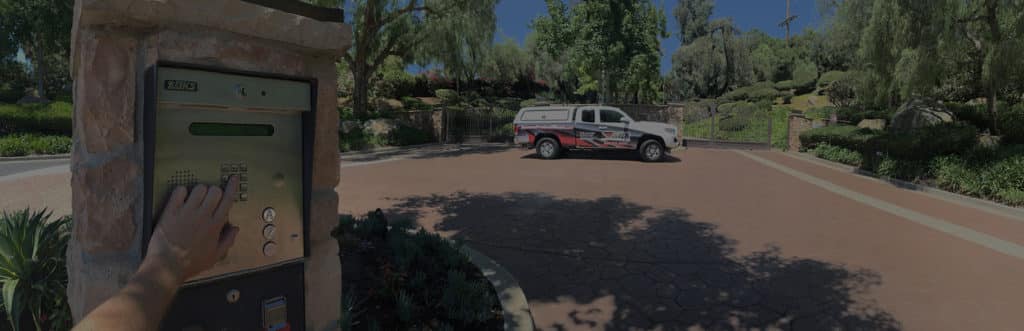
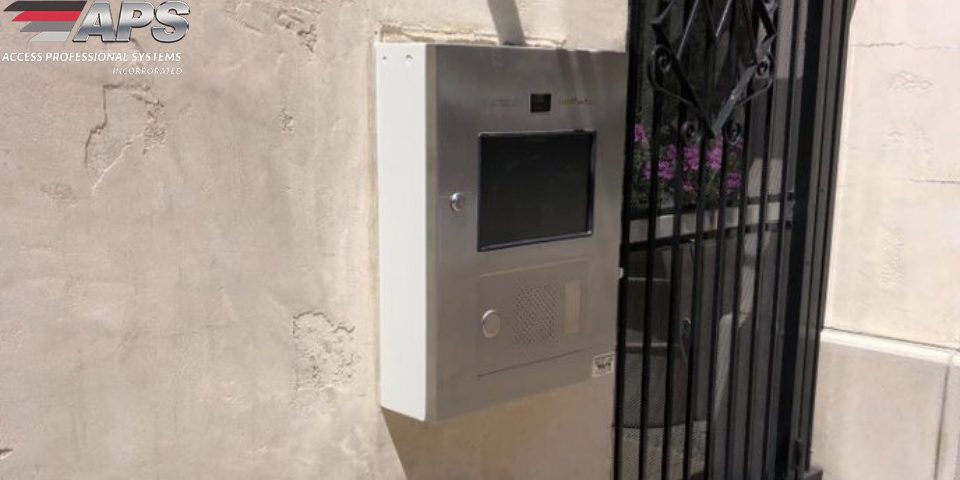
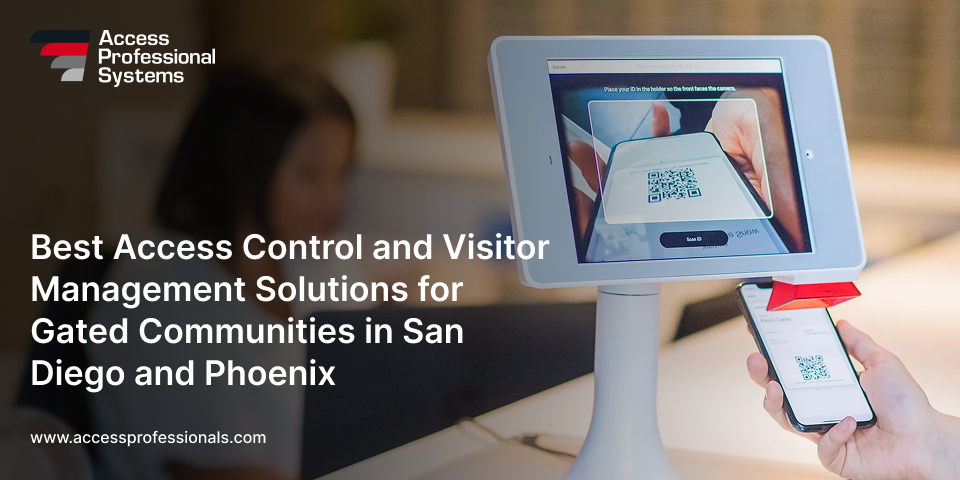
A modern video intercom system is especially useful when staff need to see and communicate with a visitor before providing entry. This adds another layer of verification to traditional door entry systems. Once approved, the visitor entry system may provide access only to the areas and times appropriate for that particular guest.
How Visitor Access Control Improves Building Security
Allowing visitors through a secure entrance without tracking what happens afterward can create gaps in security. Visitor access control helps close those gaps.
With a visitor access control system, organizations can determine who the visitor is, who they are meeting, when access begins, and when that permission should expire. This provides greater accountability than simply opening a door or handing visitors reusable credentials.
Effective visitor access management can also reduce front-desk workload. Visitors may be pre-registered before arriving, while automated notifications can alert hosts when their guests check in.
For higher-security environments, visitor access control can work alongside a video intercom system so staff can visually verify guests before authorizing entry. The result is a more organized process that improves security without unnecessarily complicating the visitor experience.
Access Control and Visitor Management: Why Businesses Often Need Both
Choosing between Building Access Control vs. Visitor Entry Systems does not have to be an either-or decision. Most commercial properties have both regular occupants and temporary guests. That makes integrated access control and visitor management particularly valuable.
Consider a corporate office. Employees use building access control systems to enter the property each day. A prospective client, however, may be pre-registered through a visitor platform, check in upon arrival, notify their host, and receive temporary authorization. Connecting access control visitor management workflows helps prevent visitor processes from operating separately from physical building security.
A properly integrated visitor management system access control strategy can help businesses:
- Centralize access activity
- Reduce manual visitor processing
- Automatically expire temporary permissions
- Improve security reporting
- Create better visitor experiences
- Control access beyond the lobby
Rather than maintaining disconnected building entry systems and visitor tools, integration creates a more coordinated approach to property security.
When Are Door Entry Systems and Video Intercom Systems Enough?
Not every property requires the same technology. A smaller office with limited visitor traffic may only require secure door entry systems combined with a video intercom system. Staff can communicate with visitors, confirm why they are there, and remotely grant entry.
As the property grows, however, manually approving every visitor can become inefficient. A dedicated visitor entry system becomes more valuable when facilities experience frequent visitors, manage multiple entrances, require detailed visitor records, or need temporary access to specific areas.
Similarly, basic door entry systems may not provide enough control for properties with multiple employee groups or sensitive areas. In those cases, more advanced building access control systems can apply detailed permissions across the property.
The right technology should match the building’s actual traffic and security needs rather than adding complexity simply for the sake of technology.
Choosing the Right Visitor Management System Access Control Strategy
Before investing in access control visitor management, consider how people currently move through your property.
Ask:
- Who needs permanent access?
- Who only needs temporary access?
- Which areas require additional restrictions?
- How are visitors currently verified?
- Do staff need visual verification through a video intercom system?
- Should visitor credentials expire automatically?
- Are multiple buildings or entrances involved?
- Does the system need to scale?
Answering these questions makes it easier to determine whether you need new building entry systems, a dedicated visitor access control system, or fully integrated visitor management system access control.
Why Choose Access Professional Systems?
Access Professional Systems helps commercial properties develop security solutions based on how their buildings are actually used. Whether your facility needs building access control systems, modern door entry systems, a video intercom system, or integrated access control and visitor management, proper system planning can improve both security and everyday convenience.
Access Professional Systems can help evaluate entrances, user groups, visitor workflows, credentials, and integration requirements before recommending a solution. The goal is not simply controlling the front door. It is creating an access control visitor management strategy that gives the right people appropriate access while maintaining visibility and control.
Conclusion
The main difference in Building Access Control vs. Visitor Entry Systems is who they are designed to manage. Building access control systems primarily manage recurring access for employees, tenants, and other authorized users. A visitor entry system manages temporary guests through structured visitor access management and time-limited permissions.
For many businesses, integrating both provides the strongest solution. Connected visitor management system access control combines permanent and temporary access into a more coordinated security strategy.
Access Professional Systems can help businesses evaluate their existing security infrastructure and implement the right combination of access and visitor technology.
Frequently Asked Questions
1. What is the difference between building access control systems and visitor entry systems?
Building access control systems generally manage recurring access for employees, tenants, and other known users, while a visitor entry system handles temporary guests. Combining them through access control and visitor management provides better control over both permanent and short-term building access.
2. Can a visitor entry system integrate with existing building access control systems?
Yes. Many modern platforms support integration between a visitor entry system and building access control systems. This can allow approved guests to receive temporary permissions that automatically expire, improving visitor access control without requiring staff to manually manage every entry.
3. How does a video intercom system work with visitor access management?
A video intercom system allows staff or residents to see and communicate with visitors before granting entry. When combined with visitor access management, it can add visual verification to pre-registration, digital check-in, temporary credentials, and other visitor security processes.
4. Does my business need a visitor access control system if we already have door entry systems?
It depends on visitor volume and security requirements. Basic door entry systems may work for properties with occasional guests, while a dedicated visitor access control system provides greater value when businesses need visitor records, temporary credentials, automated approvals, host notifications, or scheduled access.
5. What should businesses consider when choosing access control and visitor management systems?
Businesses should evaluate user types, visitor volume, restricted areas, credentials, entrances, reporting requirements, integrations, and future growth. Access Professional Systems can help determine whether separate technologies or integrated visitor management system access control better fits the property’s security and operational requirements.
Share: