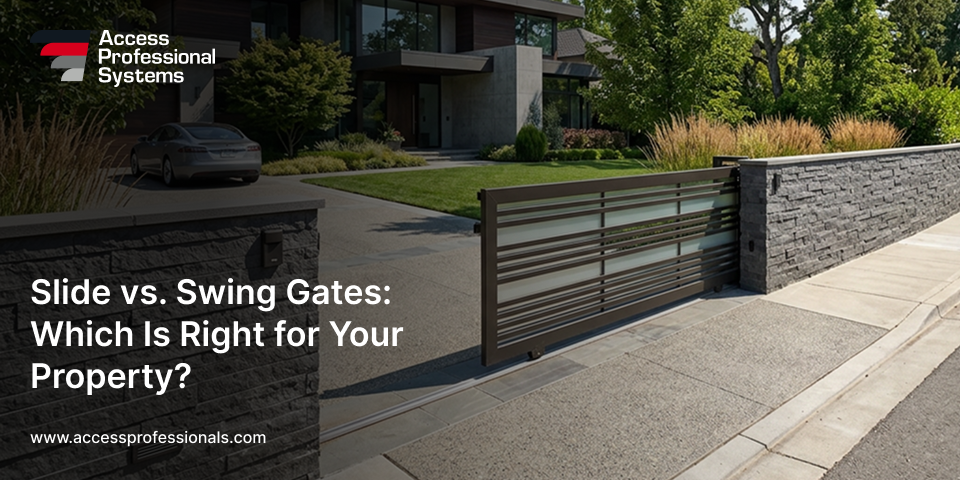
Slide vs. Swing Gates: Which Is Right for Your Property?
Choosing the right security gate can improve your property’s safety, appearance, and daily convenience. Whether you’re protecting a residential driveway, commercial entrance, or gated community, understanding the differences between sliding gate vs swing gate designs is essential before investing in a new system.
Both options provide controlled vehicle access, but they operate differently. Automatic sliding gates move horizontally along a track or cantilever system, while automatic swing gates open inward or outward like traditional doors. Each design has advantages depending on available space, driveway slope, traffic volume, and security requirements.
When comparing sliding vs swing gates, property owners should consider more than appearance. Installation costs, maintenance, operating speed, and compatibility with gate automation systems can affect long-term performance.
From sliding house gates and swinging driveway gates to advanced automatic security gate systems, this guide explains the key differences, benefits, and considerations to help you select the right entrance solution.
Sliding Gate vs Swing Gate: What’s the Difference?
The biggest difference in the sliding gate vs swing gate comparison is how each gate opens. Sliding gates travel sideways along the fence line, while swing gates rotate on hinges. Both can integrate with modern gate automation systems for convenient vehicle access.
| Feature | Sliding Gates | Swing Gates |
|---|---|---|
| Opening direction | Moves horizontally | Swings inward or outward |
| Space requirements | Needs lateral clearance | Needs an unobstructed swing area |
| Sloped driveways | Often more suitable | May require special design |
| Installation | Can require track or cantilever hardware | Requires strong hinges and posts |
| Maintenance | Rollers, tracks, and motors | Hinges, operators, and alignment |
| Best applications | Busy or space-restricted entrances | Properties with adequate swing clearance |
The sliding vs swing gates decision depends on your entrance layout and operating requirements. Both are popular types of automatic gates, but selecting the wrong configuration can create unnecessary maintenance expenses and operational challenges.
Sliding Gate Benefits: Space Efficiency and Security
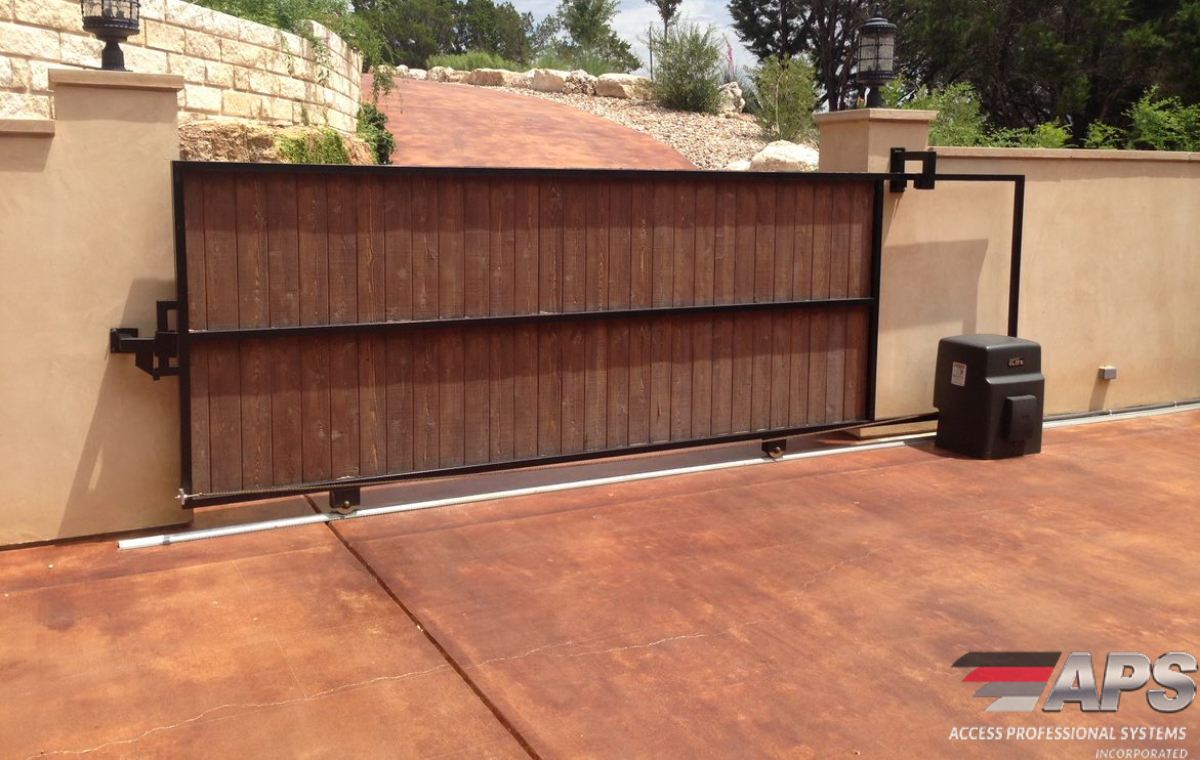
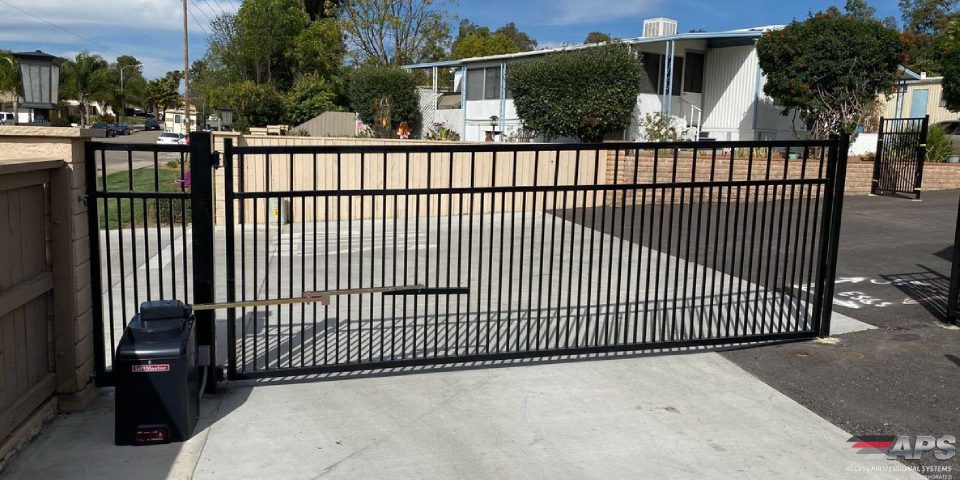
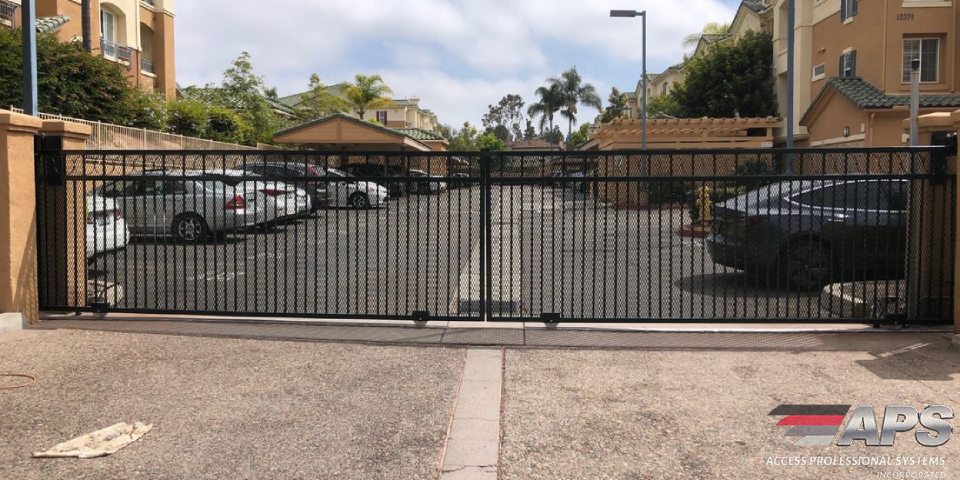
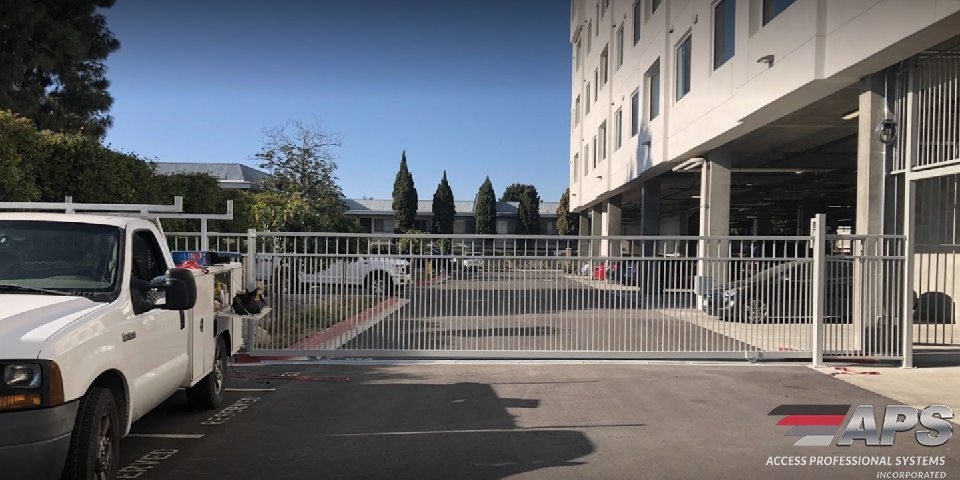
One of the biggest sliding gate benefits is efficient use of driveway space. Because automatic sliding gates move horizontally, they don’t require the large opening arc associated with automatic swing gates. This makes them useful for properties with short driveways, limited interior clearance, or challenging entrance layouts.
Other important sliding gate benefits include:
- Suitable for many sloped entrances
- No inward or outward swing obstruction
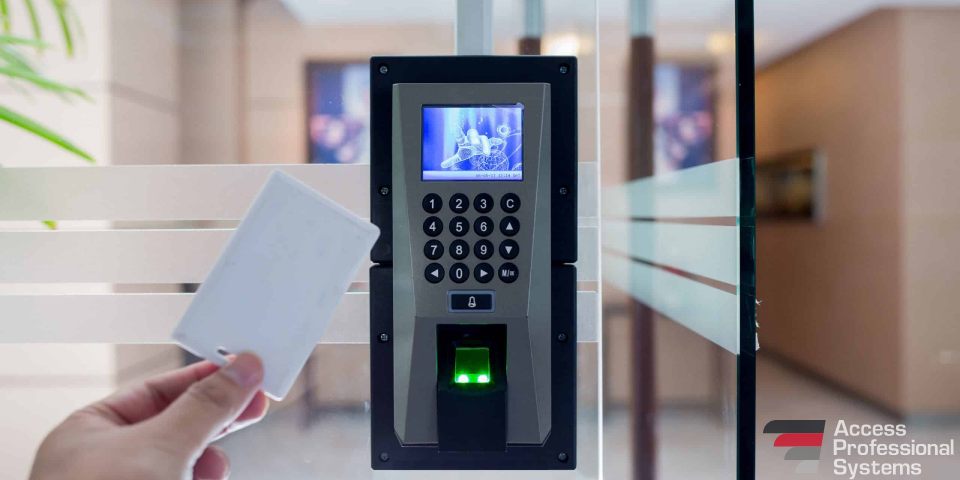
- Compatibility with access control technology
- Options for high-traffic entrances
- Flexible designs for residential and commercial properties
Modern sliding house gates can complement a property’s architecture while providing reliable access control. For commercial facilities, a sliding gate may resemble a rolling gate door, although rolling doors and horizontal sliding gates use different mechanisms.
When properly designed, automatic sliding gates can integrate with advanced automatic security gate systems, including vehicle detection, intercoms, and remote access controls. These sliding gate benefits make them a practical option for properties requiring secure, efficient entry.
Automatic Swing Gates: Appearance and Convenience
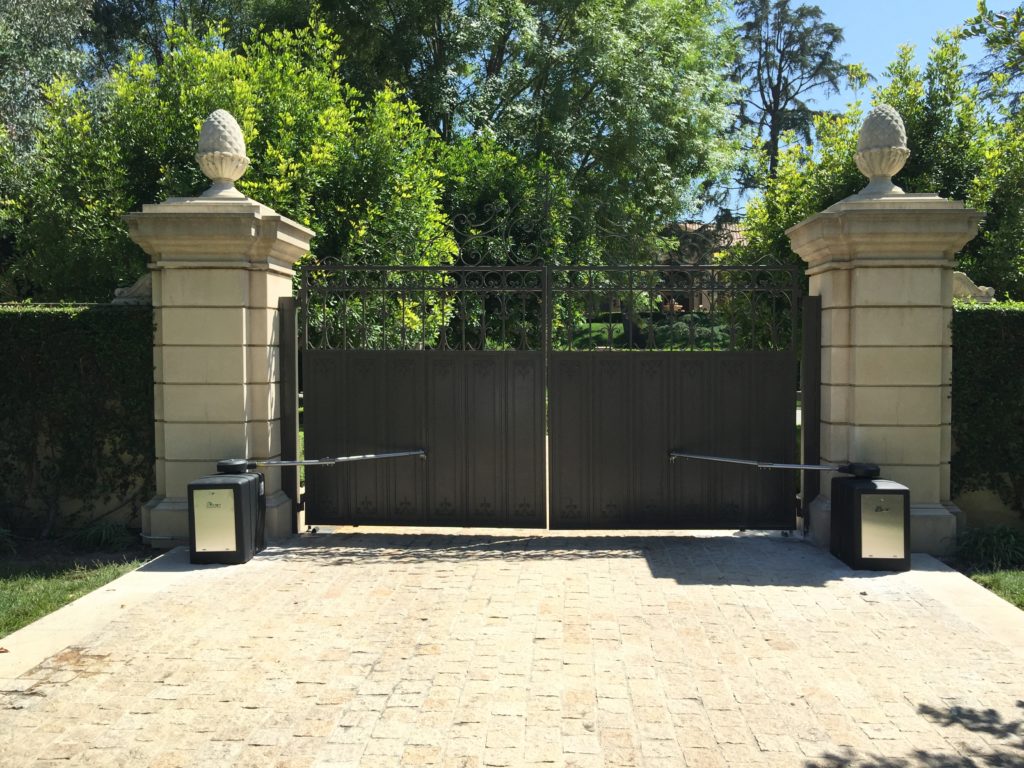
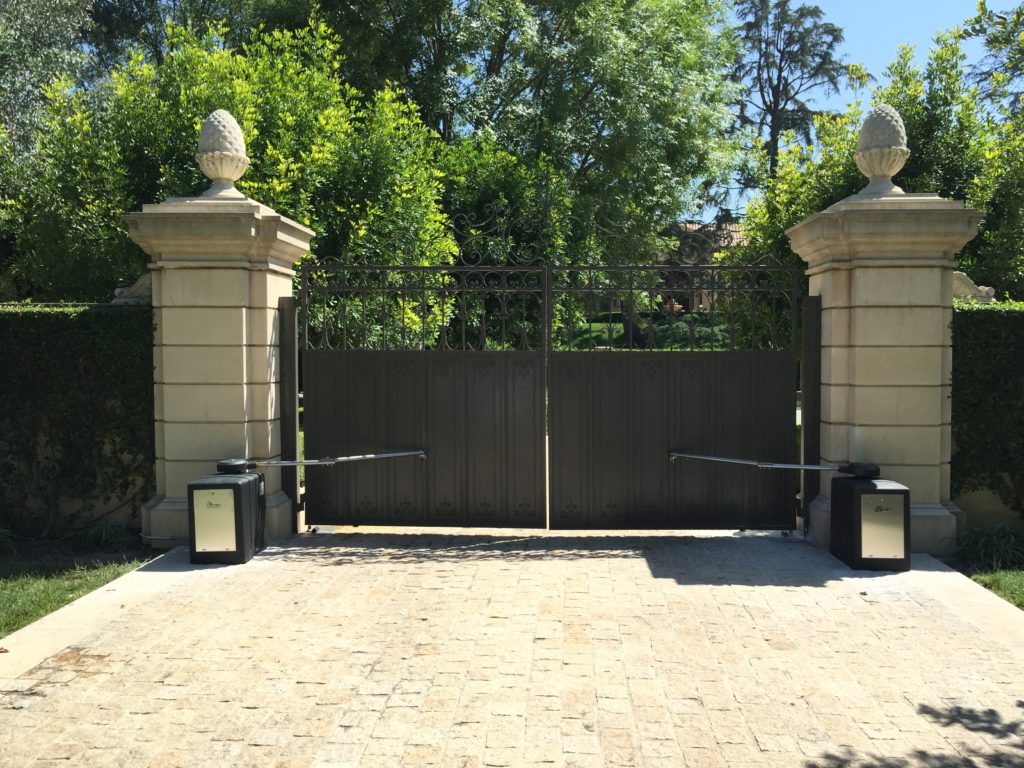
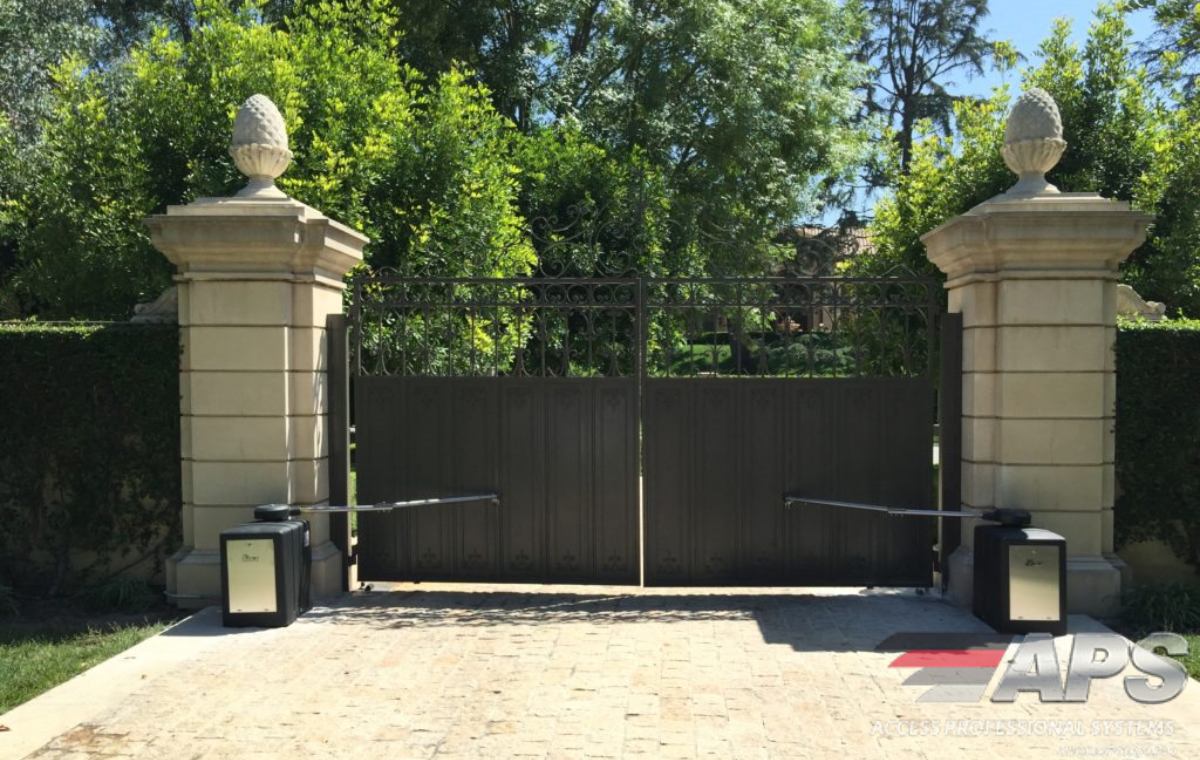
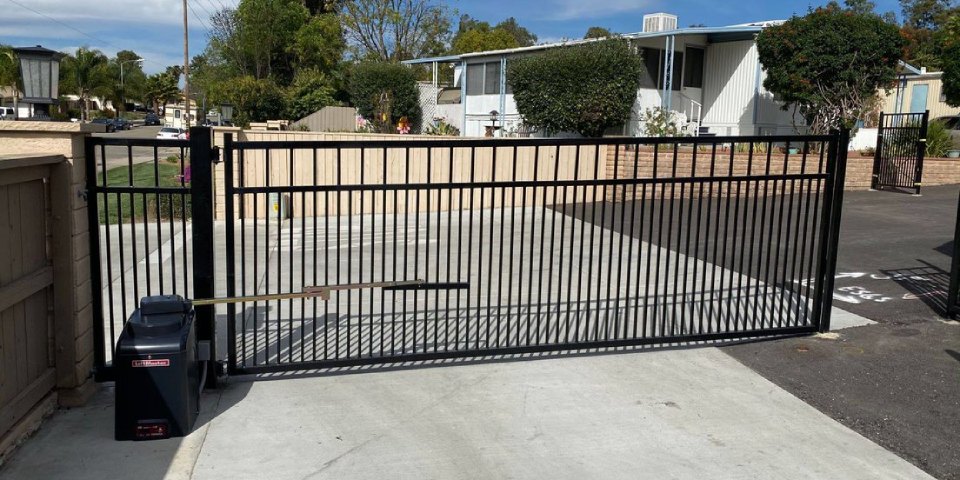
Automatic swing gates remain popular for residential properties, private estates, and entrances where appearance matters. Unlike sliding systems, swinging driveway gates open on hinges. They may use one large panel or two smaller panels, depending on the entrance width and available clearance.
A single swing gate works well for narrower entrances with sufficient space for the gate to open safely. Some property owners prefer swinging driveway gates because they offer a classic entrance design and can complement traditional architecture.
Key advantages include:
- Attractive residential designs
- Single-panel or double-panel configurations
- No horizontal sliding track
- Compatibility with modern access control
- Convenient automated operation
However, a single swing gate requires adequate clearance throughout its opening arc. Driveway slopes, nearby landscaping, and vehicle positioning can affect installation. When evaluating sliding vs swing gates, property owners should also consider wind exposure and the weight of the gate panels.
Properly configured automatic swing gates can provide dependable performance when matched to the entrance conditions.
Sliding vs Swing Gates: Which Is Better for Security?
Both configurations can provide effective perimeter security when properly designed and installed. The security of automatic security gate systems depends on more than whether the gate slides or swings. Gate construction, access control, locking arrangements, safety equipment, and installation quality all matter.
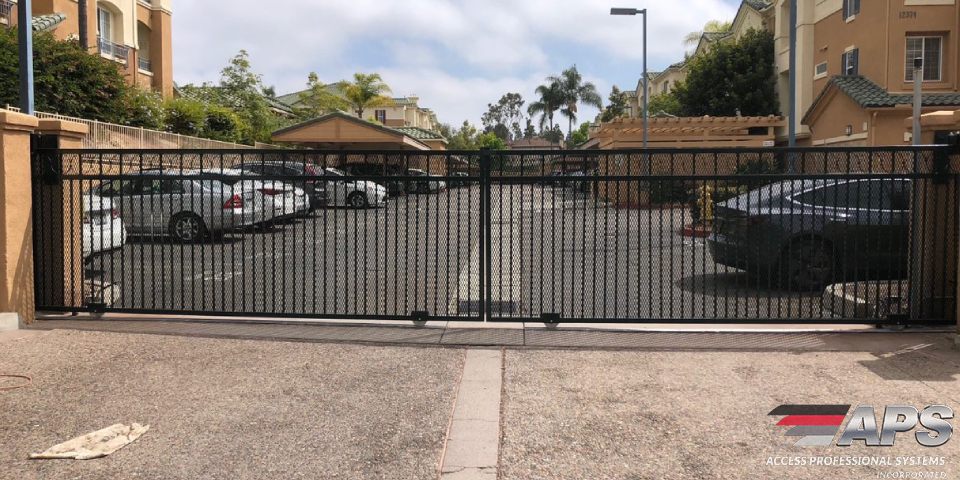
Automatic sliding gates are often selected for commercial entrances and gated communities because they can accommodate frequent vehicle movement and challenging driveway layouts. Meanwhile, swinging driveway gates remain suitable for residential properties and controlled entrances with adequate clearance.
Modern gate automation systems can incorporate:
- Keypad entry
- Mobile credentials
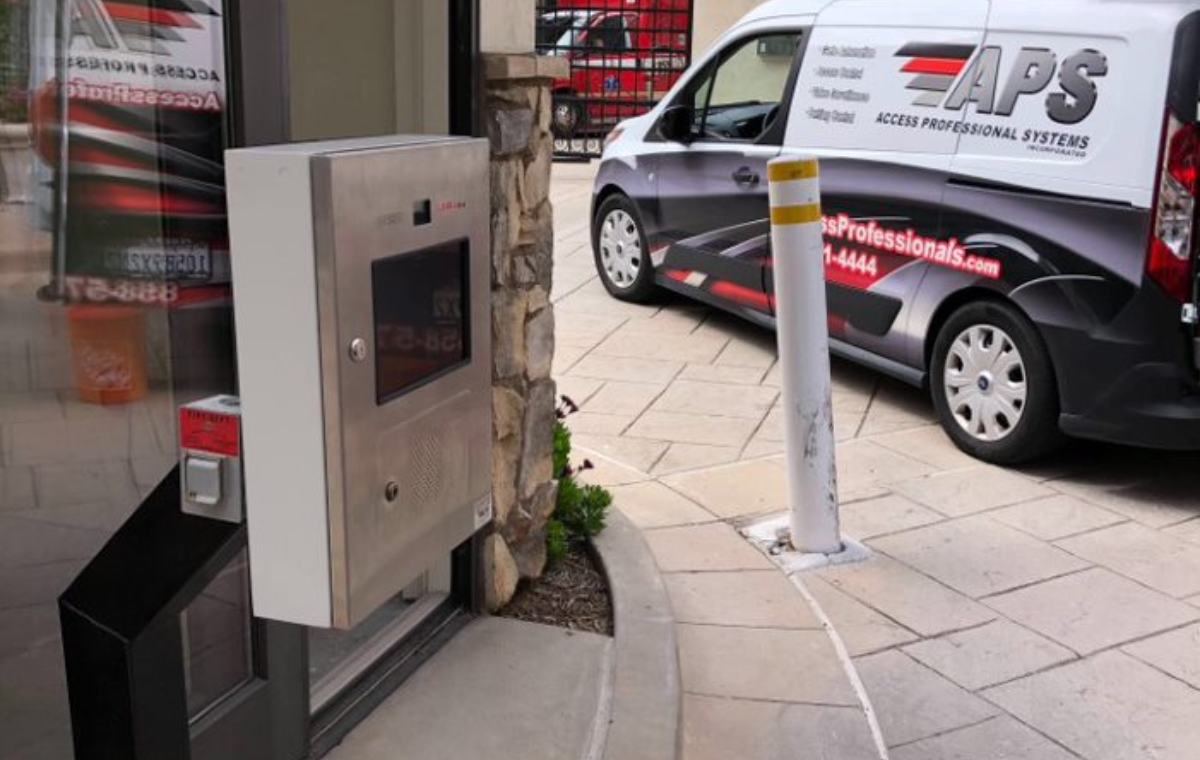
- Video intercoms
- Remote access management
- Vehicle detection
- Safety sensors
- Emergency access provisions
Whether you’re considering sliding house gates or a single swing gate, the goal should be a complete security solution rather than simply installing a physical barrier.
Gate Automation Systems: Installation and Maintenance Costs
Cost is another important factor in the sliding gate vs swing gate decision. Installation expenses depend on gate size, material, foundation requirements, electrical infrastructure, automation equipment, and site conditions.
For automatic sliding gate installation, the work may involve tracks, rollers, cantilever supports, and dedicated operator equipment. A single swing gate typically requires reinforced posts, appropriate hinges, and a compatible swing operator.
Both configurations require routine maintenance. Sliding systems may need track cleaning, roller inspection, and alignment checks. Swing systems require hinge inspection, operator maintenance, and verification that the gate moves freely.
When comparing different types of automatic gates, businesses and homeowners should consider total ownership costs rather than installation price alone. Professional gate automation systems also require appropriate safety devices and professional installation practices to reduce the risk of vehicle or pedestrian injury.
Installing a Residential Vehicle Gate: What Should You Consider?
Before installing a residential vehicle gate, evaluate how the entrance is used every day. A driveway with frequent deliveries, multiple vehicles, or limited turning space may require a different configuration from a private residential entrance.
Important considerations include:
- Driveway width and slope
- Available side clearance
- Vehicle traffic
- Gate weight and materials
- Power availability (see automated vs. solar-powered gates)
- Emergency access
- Safety requirements
- Access control preferences
For properties with limited driveway depth, sliding house gates may offer practical advantages. Where space allows, automatic swing gates can provide an attractive alternative.
Property owners should also understand that a rolling gate door is not necessarily interchangeable with a driveway sliding gate. Each requires equipment designed for its specific movement and application.
When installing a residential vehicle gate, professional evaluation helps determine which of the available types of automatic gates will provide the safest and most reliable operation.
Why Choose Access Professional Systems for Gate Automation?
Selecting between sliding vs swing gates requires experience with entrance design, vehicle movement, automation, and access control. Access Professional Systems helps residential communities and commercial properties evaluate and implement customized automatic security gate systems.
Whether your property needs automatic sliding gates, automatic swing gates, or an upgrade to existing gate automation systems, the right solution should match your entrance layout and security needs.
From evaluating sliding gate benefits to planning the installation of swinging driveway gates, Access Professional Systems focuses on reliable access, safe operation, and long-term performance. If you’re considering installing a residential vehicle gate or upgrading a commercial entrance, our team can help you identify an appropriate solution.
Conclusion
The sliding gate vs swing gate decision ultimately depends on your property. Automatic sliding gates are often better suited to entrances with limited driveway depth, challenging slopes, or frequent vehicle traffic. Automatic swing gates can be an excellent choice for properties with sufficient opening clearance and a preference for traditional entrance designs.
Both options can integrate with modern gate automation systems and advanced access control technology. By understanding the differences between these types of automatic gates, property owners can make informed decisions about security, convenience, and long-term maintenance.
Access Professional Systems can help you evaluate your entrance and select the right gate automation solution for your property.
Frequently Asked Questions
1. Which is better for a driveway: a sliding gate or a swing gate?
The best option depends on driveway space, slope, and traffic. Sliding house gates work well when there is enough lateral clearance but limited opening depth. Swinging driveway gates are often suitable for level entrances with sufficient room for the panels to open safely.
2. Are automatic sliding gates more secure than automatic swing gates?
Neither design is automatically more secure. Both can provide effective protection when properly installed. The performance of automatic security gate systems depends on construction, locking arrangements, access credentials, safety features, and the quality of the overall installation.
3. What are the main sliding gate benefits for commercial properties?
Important sliding gate benefits include efficient use of driveway space, suitability for many sloped entrances, and compatibility with high-traffic applications. When integrated with appropriate gate automation systems, sliding gates can support reliable vehicle access for commercial properties and gated communities.
4. How much does installing a residential vehicle gate cost?
The cost of installing a residential vehicle gate depends on entrance dimensions, gate materials, automation equipment, electrical work, foundations, and safety requirements. A single swing gate may have different installation requirements from a sliding system, so a professional site assessment is recommended.
5. What is the difference between a rolling gate door and an automatic sliding gate?
A rolling gate door generally moves vertically and coils above an opening, while an automatic sliding gate moves horizontally across an entrance. Both can provide controlled access, but they use different hardware, operators, and installation methods designed for their respective applications.
Share: