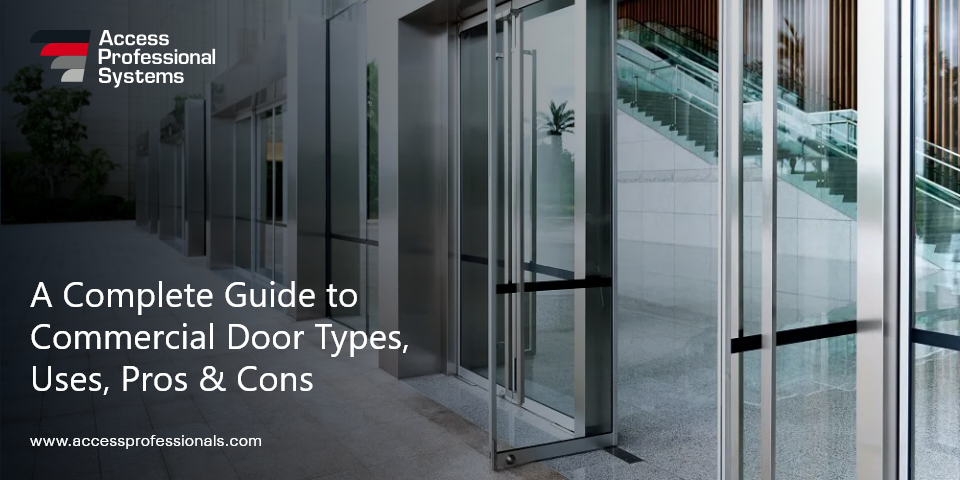
A Complete Guide to Commercial Door Types, Uses, Pros & Cons
When it comes to securing and enhancing a commercial property, few components are as important as the doors that employees, customers, vendors, and visitors use every day. The right commercial doors do more than provide access. They improve security, increase energy efficiency, support building compliance, and contribute to the overall appearance of a facility.
Today, businesses have access to a wide variety of commercial door types, each designed for specific applications. From commercial entry doors and commercial storefront doors to commercial roll up doors and automatic sliding doors commercial facilities depend on, selecting the right solution can significantly impact operations. Understanding the different types of commercial doors available helps property owners choose systems that align with their security requirements, traffic flow, and budget.
Whether you’re designing a new facility or upgrading existing commercial building doors, understanding the advantages and limitations of each option is essential. In this guide, we’ll explore the most common types of doors for commercial buildings, their uses, pros and cons, and how to determine which solution is best for your property.
Why Choosing the Right Commercial Doors Matters
The right commercial doors influence nearly every aspect of a business facility. They affect security, accessibility, energy performance, customer experience, and operational efficiency.
Different businesses require different commercial door types. A retail store may prioritize attractive commercial storefront doors, while a warehouse may require heavy-duty commercial roll up doors. Office buildings often benefit from secure commercial office doors, while healthcare facilities frequently utilize automatic sliding doors commercial systems for accessibility.
Understanding the various types of commercial doors helps organizations make informed decisions that support long-term performance and safety.
1. Commercial Entry Doors and Commercial Entrance Doors
One of the most common commercial door types is the commercial entry door. These doors serve as the primary access point for employees, customers, and visitors.
Commercial entry doors are typically constructed from aluminum, steel, glass, or fiberglass. Many businesses invest in high-quality commercial entrance doors because they create a strong first impression while providing security and durability.
Common Uses
- Office buildings
- Retail stores
- Healthcare facilities
- Educational institutions
Pros
- Strong security options
- Professional appearance
- Durable construction
- Customizable designs
Cons
- Higher-quality models can be expensive
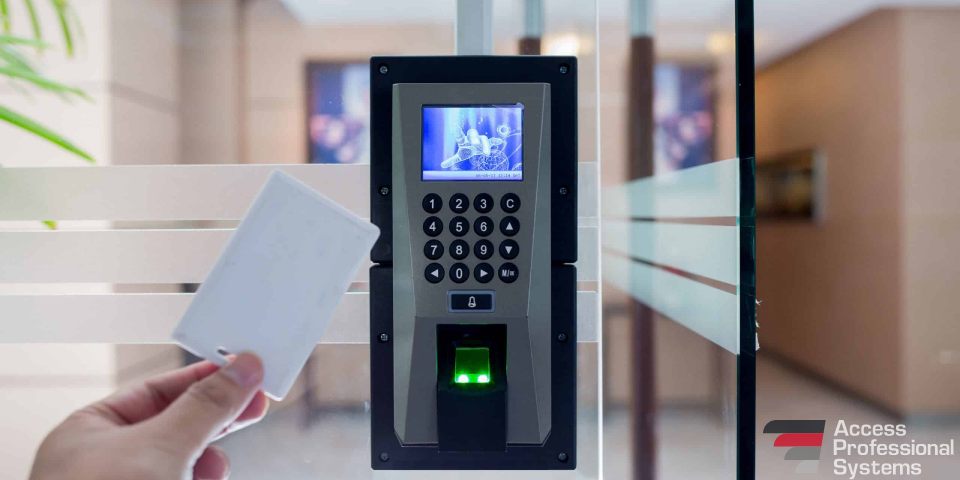
- May require access control integration
A well-designed commercial front door enhances curb appeal while supporting building security.
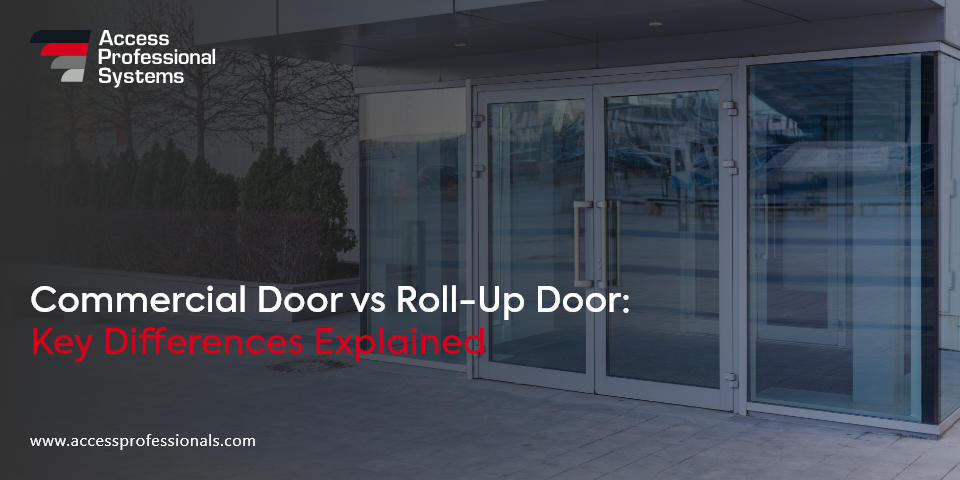
2. Commercial Storefront Doors and Commercial Exterior Glass Doors
Retail environments often rely on commercial storefront doors to create an inviting and modern appearance.
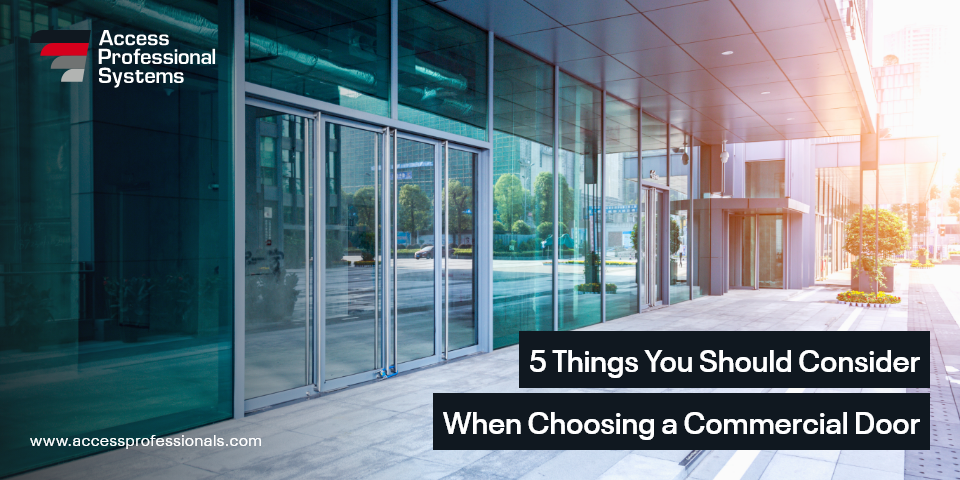
Many commercial storefront doors incorporate glass panels, making commercial exterior glass doors one of the most popular options for businesses that want visibility and natural light. These exterior commercial doors help showcase products while creating a welcoming entrance.
Common Uses
- Retail stores
- Restaurants
- Shopping centers
- Service businesses
Pros
- Attractive appearance
- Increased visibility
- Natural lighting
- Customer-friendly design
Cons
- May require additional security measures
- Glass can require more maintenance
Businesses seeking modern aesthetics often choose commercial exterior glass doors as part of their storefront design.
3. Commercial Office Doors and Commercial Interior Doors
Inside a building, commercial office doors and commercial interior doors help create secure, functional workspaces.
These commercial building doors are available in various materials, including wood, aluminum, glass, and steel. Many organizations select commercial office doors that support privacy, noise reduction, and controlled access.
Common Uses
- Private offices
- Conference rooms
- Administrative areas
- Medical facilities
Pros
- Improved privacy
- Professional appearance
- Flexible design options
- Enhanced workplace functionality
Cons
- Some materials require ongoing maintenance
- Glass models may offer less privacy
High-quality commercial interior doors contribute to a productive and secure work environment.
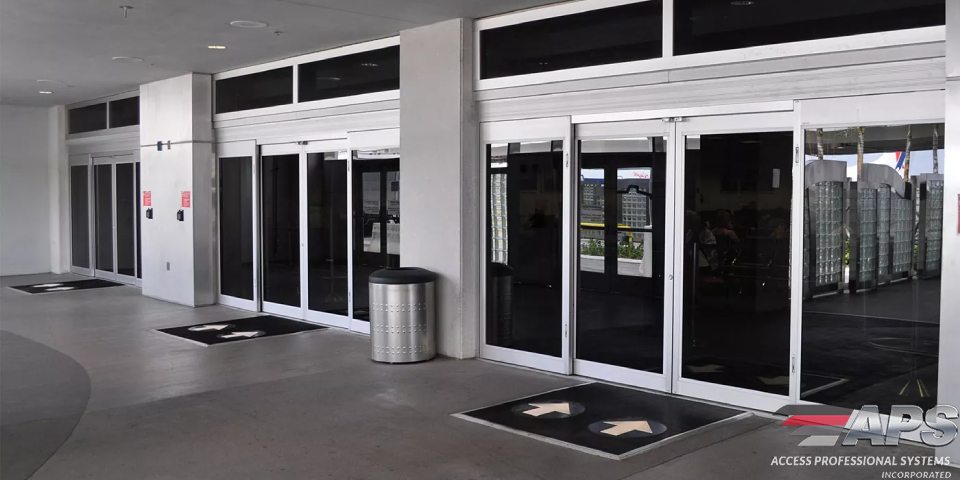
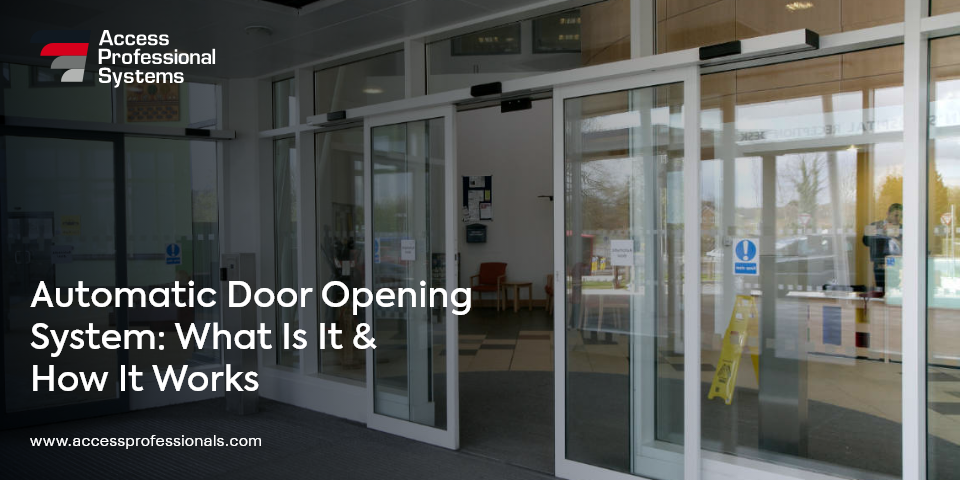
4. Commercial Sliding Doors and Automatic Sliding Doors Commercial Buildings Use
For facilities with high pedestrian traffic, commercial sliding doors are a popular choice.
Many businesses install automatic sliding doors commercial properties rely on because they improve accessibility and convenience. These systems automatically open when visitors approach, making them ideal for customer-facing environments.
Common Uses
- Hospitals
- Airports
- Hotels
- Retail stores
Pros
- Hands-free operation
- ADA compliance support
- Improved traffic flow
- Modern appearance
Cons
- Higher installation costs
- Requires routine maintenance
Many organizations use automatic sliding doors commercial systems to enhance accessibility and improve customer experiences.
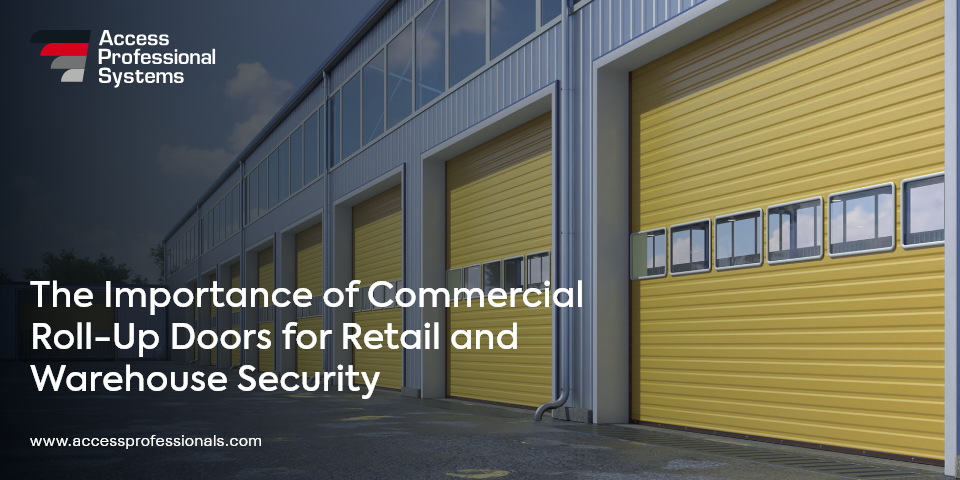
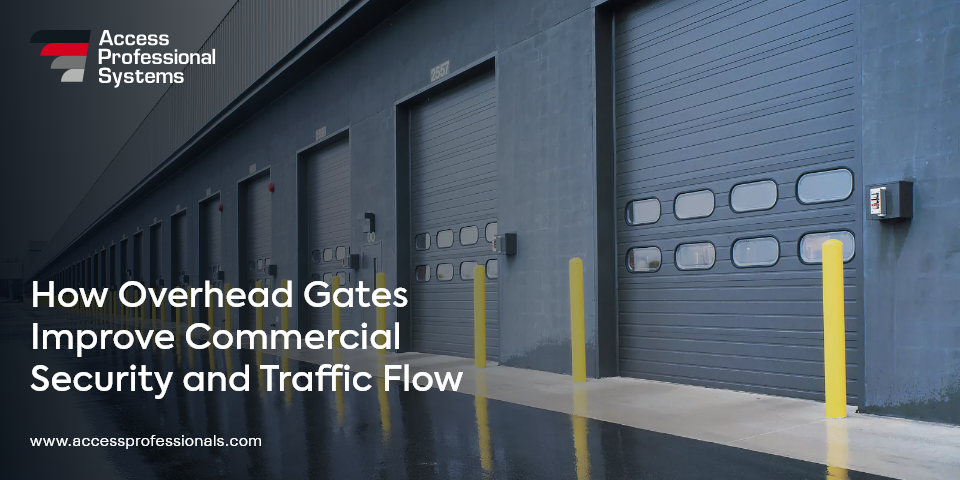
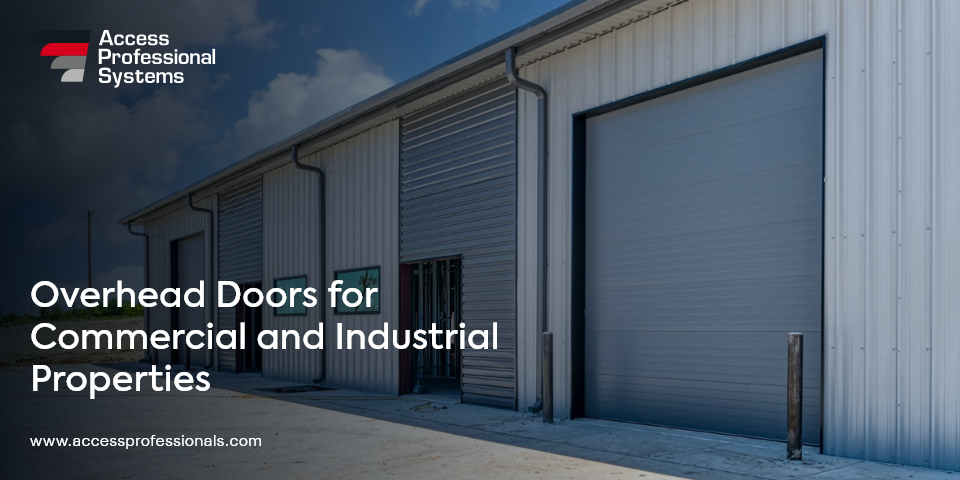
5. Commercial Roll Up Doors for Industrial Applications
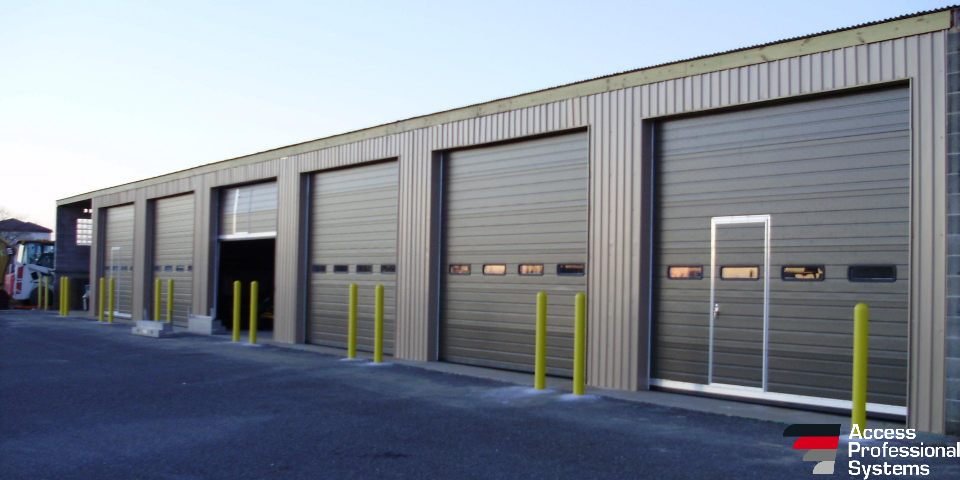
Industrial and warehouse environments frequently depend on commercial roll up doors for security and operational efficiency.
Unlike traditional hinged doors, commercial roll up doors open vertically and roll into a compact housing above the opening. These commercial grade doors are designed to withstand heavy use and demanding conditions.
Common Uses
- Warehouses
- Distribution centers
- Manufacturing facilities
- Service garages
Pros
- Space-saving design
- High durability
- Excellent security
- Low maintenance
Cons
- Limited aesthetic appeal
- Professional installation required
For industrial facilities, commercial roll up doors are often among the most reliable commercial door types available.
Modern Commercial Doors for Today’s Businesses
Today’s businesses are increasingly investing in modern commercial doors that combine aesthetics, security, and automation.
Many modern commercial doors integrate with access control systems, security platforms, and building automation technologies. These commercial grade doors help organizations improve operational efficiency while maintaining professional appearances.
Popular examples include:
- Glass commercial entry doors
- Smart access-controlled commercial office doors
- Automated commercial sliding doors
- Advanced commercial storefront doors
The demand for modern commercial doors continues to grow as businesses prioritize both functionality and customer experience.
Convenience Store Doors and Specialized Commercial Building Doors
Certain industries require specialized commercial building doors designed for unique operational needs.
For example, convenience store doors must balance security with visibility and customer accessibility. These doors often incorporate impact-resistant glass, automatic operation, and advanced locking systems.
Other specialized commercial doors include:
- Healthcare facility entrances
- Cold storage doors
- Security doors
- Fire-rated doors
Choosing the right types of doors for commercial buildings depends on operational requirements and industry regulations.
How to Choose the Best Commercial Door Types for Your Facility?
Selecting the right commercial door types begins with understanding how the building will be used.
Retail Stores
Businesses often benefit from commercial storefront doors, commercial exterior glass doors, and attractive commercial front door designs.
Office Buildings
Organizations typically prioritize secure commercial office doors, professional commercial entry doors, and durable commercial entrance doors.
Warehouses
Industrial facilities commonly require heavy-duty commercial roll up doors and reinforced commercial grade doors.
Healthcare and Education
Many institutions choose automatic sliding doors commercial environments depend on because they support accessibility and improve traffic flow.
By evaluating traffic levels, security requirements, and aesthetic goals, businesses can identify the most suitable commercial building doors for their facility.
Conclusion
Choosing the right commercial doors is a critical decision for any business. From commercial entry doors and commercial storefront doors to commercial office doors, commercial sliding doors, and commercial roll up doors, every option serves a specific purpose.
Understanding the various types of commercial doors allows organizations to improve security, enhance customer experiences, and support operational efficiency. Whether you need durable commercial grade doors, modern automated systems, or specialized commercial building doors, selecting the right solution can deliver long-term value.
Working with experienced professionals ensures your facility receives the best door systems for its unique needs and operational goals.
FAQs
1. What are the most common types of commercial doors used in businesses?
The most common types of commercial doors include commercial entry doors, commercial storefront doors, commercial office doors, commercial sliding doors, and commercial roll up doors. Each type serves different functions depending on the building’s traffic, security, and operational requirements.
2. What is the difference between commercial entry doors and commercial storefront doors?
Commercial entry doors are designed primarily for security and controlled access, while commercial storefront doors often emphasize visibility and aesthetics. Storefront systems commonly use glass to attract customers and create welcoming entrances.
3. Are automatic sliding doors commercial facilities use worth the investment?
Yes. Automatic sliding doors commercial buildings use improve accessibility, enhance customer convenience, and support ADA compliance. They are particularly valuable for facilities with high pedestrian traffic, such as hospitals, hotels, and retail stores.
4. Which commercial door types are best for warehouses and industrial facilities?
Most warehouses and industrial properties benefit from commercial roll up doors because they provide durability, security, and efficient operation. These commercial grade doors are specifically designed to handle heavy daily use and demanding environments.
5. What should businesses consider when choosing commercial building doors?
Businesses should evaluate security needs, traffic volume, energy efficiency, accessibility requirements, maintenance expectations, and aesthetics. Understanding the available commercial door types helps organizations choose the best commercial building doors for long-term performance and safety.
Share: