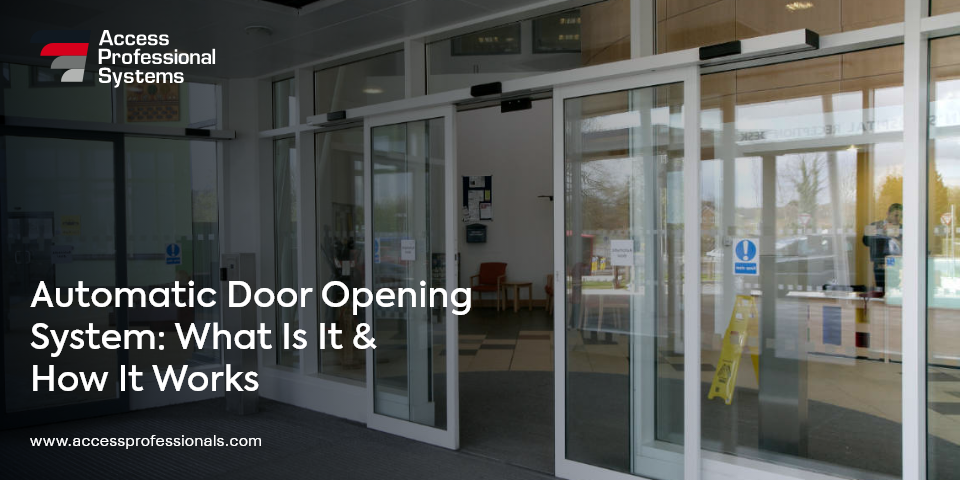
Automatic Door Opening System: What It Is & How It Works
Automatic doors have become a standard feature across commercial buildings, healthcare facilities, retail spaces, and offices. As accessibility requirements, hygiene standards, and user expectations evolve, the automatic door opening system is no longer a convenience; it is a necessity.
From improving accessibility to managing traffic flow and enhancing building security, automatic door openers play a critical role in modern facility design. Whether you are considering an automatic door opener commercial installation or upgrading existing automatic entry doors, understanding how these systems work is essential for making the right investment.
This guide explains what an automatic door opening system is, how do automatic doors work, the technologies behind them, and why businesses increasingly rely on trusted providers like Access Professional Systems.
What Is an Automatic Door Opening System?
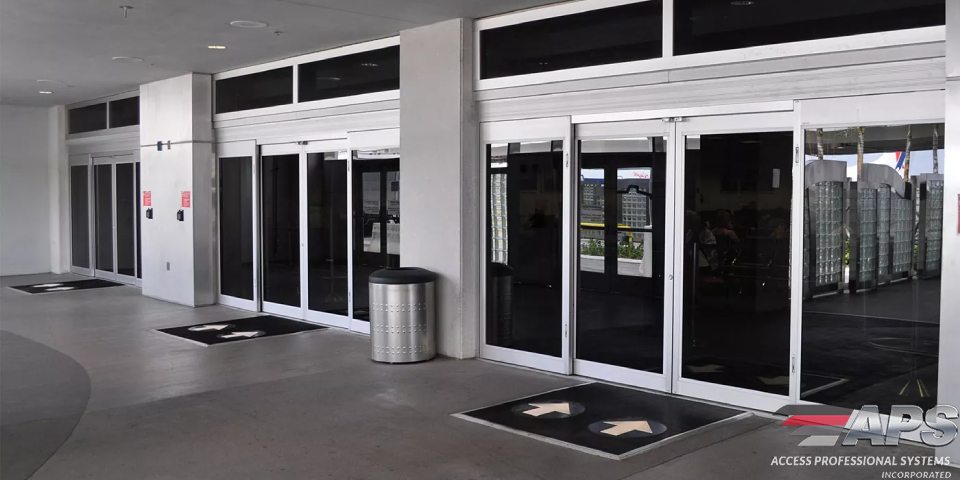
An automatic door opening system is a mechanized solution that opens and closes doors automatically without manual effort. It uses sensors, motors, controllers, and safety devices to detect user presence and activate door movement.
These systems are commonly used in:
- Commercial buildings
- Hospitals and healthcare facilities
- Retail stores
- Airports and transit hubs
- Office complexes
- Government buildings
An automatic door system ensures doors open smoothly, close safely, and operate consistently under high traffic conditions.
How Do Automatic Doors Work?
To understand how do automatic doors work, it helps to break the system into its core components.
A typical automatic door opener includes:
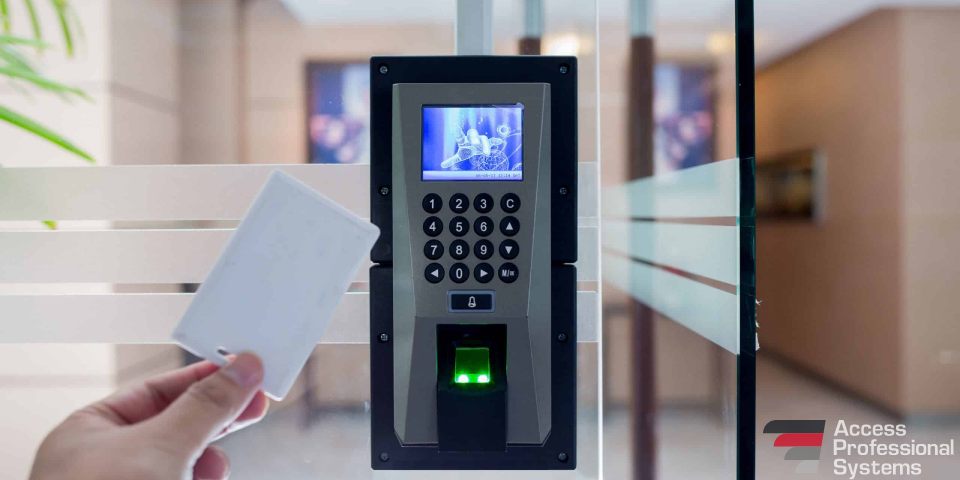
- Activation Sensors: Motion sensors, pressure mats, or push buttons detect approaching users. Advanced systems use radar or infrared sensors for precise activation.
- Control Unit: The controller processes signals from sensors and determines when to open or close the door.
- Motor and Drive Mechanism: The motor powers the door movement. In an automatic door opener and closer, the same motor controls both opening and closing.
- Safety Sensors: These prevent doors from closing on people or objects, ensuring compliance with safety standards.
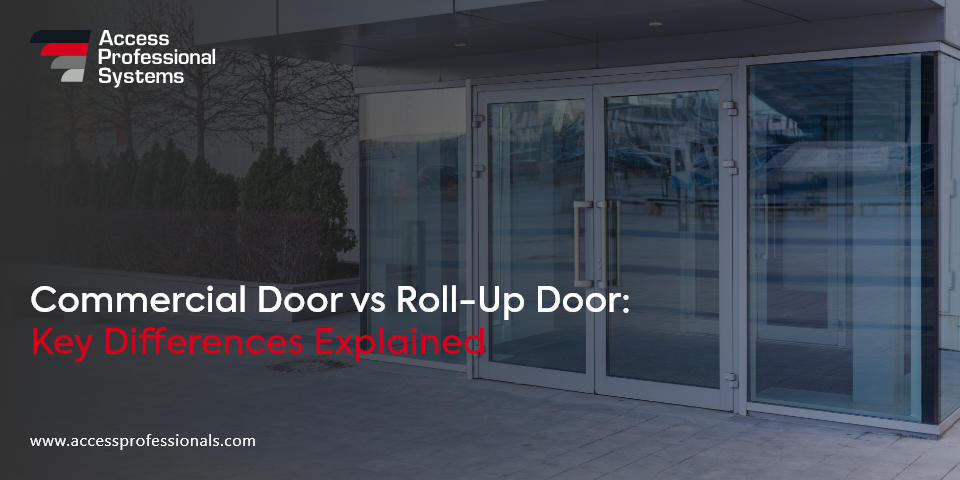
- Door Panels: Used in automatic doors, automatic entry doors, and automatic screen door openers, depending on the application.
Once a person approaches, the auto door opener activates, opens the door, holds it briefly, and then closes it smoothly.
Types of Automatic Door Openers
Different facilities require different solutions. Modern automatic door openers are designed for specific environments and usage levels.
1. Automatic Door Opener Commercial Systems
An automatic door opener commercial system is built for high traffic and continuous operation. These are common in retail, healthcare, and office environments where durability is critical.
2. Automatic Door Opener With Sensor
An automatic door opener with a sensor uses motion or presence detection to open doors hands-free, improving hygiene and accessibility.
3. Automatic Screen Door Opener
An automatic screen door opener is often used in hospitality, residential, or specialty applications where airflow and lightweight doors are required.
4. Automatic Door Opener and Closer
An automatic door opener and closer ensures doors return to a secure closed position after use, supporting energy efficiency and security.
Each automatic door system is selected based on traffic volume, door type, safety needs, and building requirements.
Benefits of Automatic Doors in Commercial Spaces
Installing automatic doors provides measurable benefits for building owners and operators.
1. Improved Accessibility
Automatic doors support ADA compliance and allow easy access for individuals with mobility challenges.
2. Enhanced Hygiene
Touchless automatic door openers reduce contact points, which is especially important in healthcare and food-service environments.
3. Better Traffic Flow
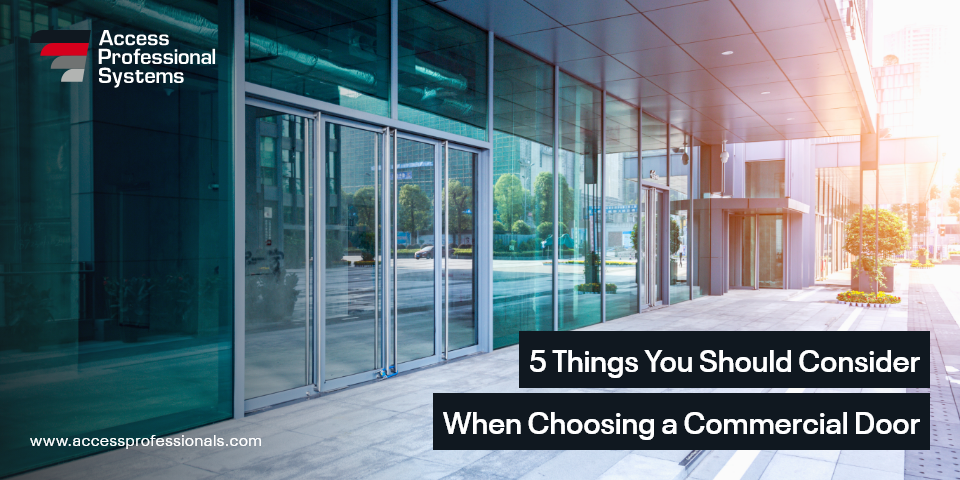
Automatic entry doors manage peak traffic efficiently, preventing congestion during busy hours.
4. Energy Efficiency
Doors open only when needed and close automatically, reducing air loss and supporting climate control.
5. Professional Appearance
Well-installed automatic door systems create a modern, welcoming first impression.
Where Automatic Door Opening Systems Are Used
A properly selected automatic door opening system supports a wide range of applications:
- Hospitals using automatic door openers with sensors for infection control
- Retail stores are relying on automatic entry doors to improve customer experience
- Office buildings using automatic door opener commercial systems for controlled access
- Restaurants are installing automatic screen door openers for ventilation and convenience
With the right configuration, automatic doors adapt to nearly any operational requirement.
Why Professional Installation Matters
The performance and safety of an automatic door system depend heavily on proper installation and calibration. An incorrect setup can lead to sensor failures, inconsistent operation, or safety risks.
Access Professional Systems specializes in:
- Commercial-grade automatic door openers
- Code-compliant installations
- Preventive maintenance programs
- Sensor calibration and system upgrades
Working with experienced professionals ensures your automatic door opening system operates reliably and safely long term.
Maintenance and Long-Term Performance
Regular maintenance extends the lifespan of automatic door openers and prevents unexpected downtime.
A professional maintenance plan includes:
- Sensor testing
- Motor inspection
- Control unit calibration
- Safety compliance checks
An automatic door opener commercial system, maintained correctly, can operate efficiently for many years.
Final Thoughts
As buildings become smarter and more user-focused, the automatic door opening system has become an essential component of modern design. From accessibility and hygiene to efficiency and security, automatic door openers deliver benefits that go far beyond convenience.
Whether you are installing automatic entry doors, upgrading to an automatic door opener with a sensor, or maintaining an existing automatic door system, working with a trusted provider makes all the difference.
Access Professional Systems delivers expert installation, service, and support for commercial-grade automatic doors, ensuring performance, compliance, and reliability at every entry point.
FAQs
1. What is an automatic door opening system?
An automatic door opening system uses sensors, motors, and controllers to open and close doors automatically, improving accessibility, safety, and traffic flow in commercial environments.
2. How do automatic doors work in commercial buildings?
Automatic doors work by detecting motion or presence through sensors, triggering an automatic door opener that powers the door open and closes it safely after use.
3. What is the benefit of an automatic door opener with a sensor?
An automatic door opener with a sensor enables hands-free access, improves hygiene, supports ADA compliance, and reduces wear caused by manual door operation.
4. Are automatic door openers suitable for high-traffic areas?
Yes. Automatic door opener commercial systems are designed for continuous operation, durability, and safety in high-traffic commercial and public facilities.
5. What is the difference between automatic doors and automatic entry doors?
Automatic doors are a broad term, while automatic entry doors specifically refer to doors installed at building entrances for controlled, high-volume access.
6. Can an automatic door opener and closer improve security?
Yes. An automatic door opener and closer ensures doors close securely after each use, helping maintain access control and energy efficiency.
7. How often should automatic door systems be serviced?
Automatic door systems should be inspected and serviced at least annually to ensure safety compliance, sensor accuracy, and reliable long-term performance.
Share: