5 Ways Smart Parking Systems Improve Urban Transportation
Urban transportation is evolving rapidly, and parking is becoming one of the biggest challenges facing cities, businesses, healthcare campuses, universities, and commercial properties. As vehicle ownership continues to grow, drivers spend valuable time searching for available parking spaces, creating unnecessary congestion, increasing emissions, and reducing the overall efficiency of transportation networks.
Modern smart parking solutions use advanced smart parking technology, sensors, cameras, cloud computing, and real-time analytics to optimize parking operations. Instead of relying on manual processes, a smart car parking system provides drivers with live parking availability while helping operators improve smart city parking management. These intelligent solutions are becoming an essential part of smart city parking initiatives around the world, allowing cities to reduce congestion, improve traffic flow, and enhance the overall parking experience.
Many organizations still ask, what is smart parking and what is smart parking system technology? More importantly, they want to understand how does smart parking system work and whether it is worth investing in. In this guide, we’ll answer those questions while exploring five ways smart parking systems are transforming urban transportation in 2026 and beyond.
What Is Smart Parking System Technology?
One of the most common questions businesses and municipalities ask is, “What is smart parking?”
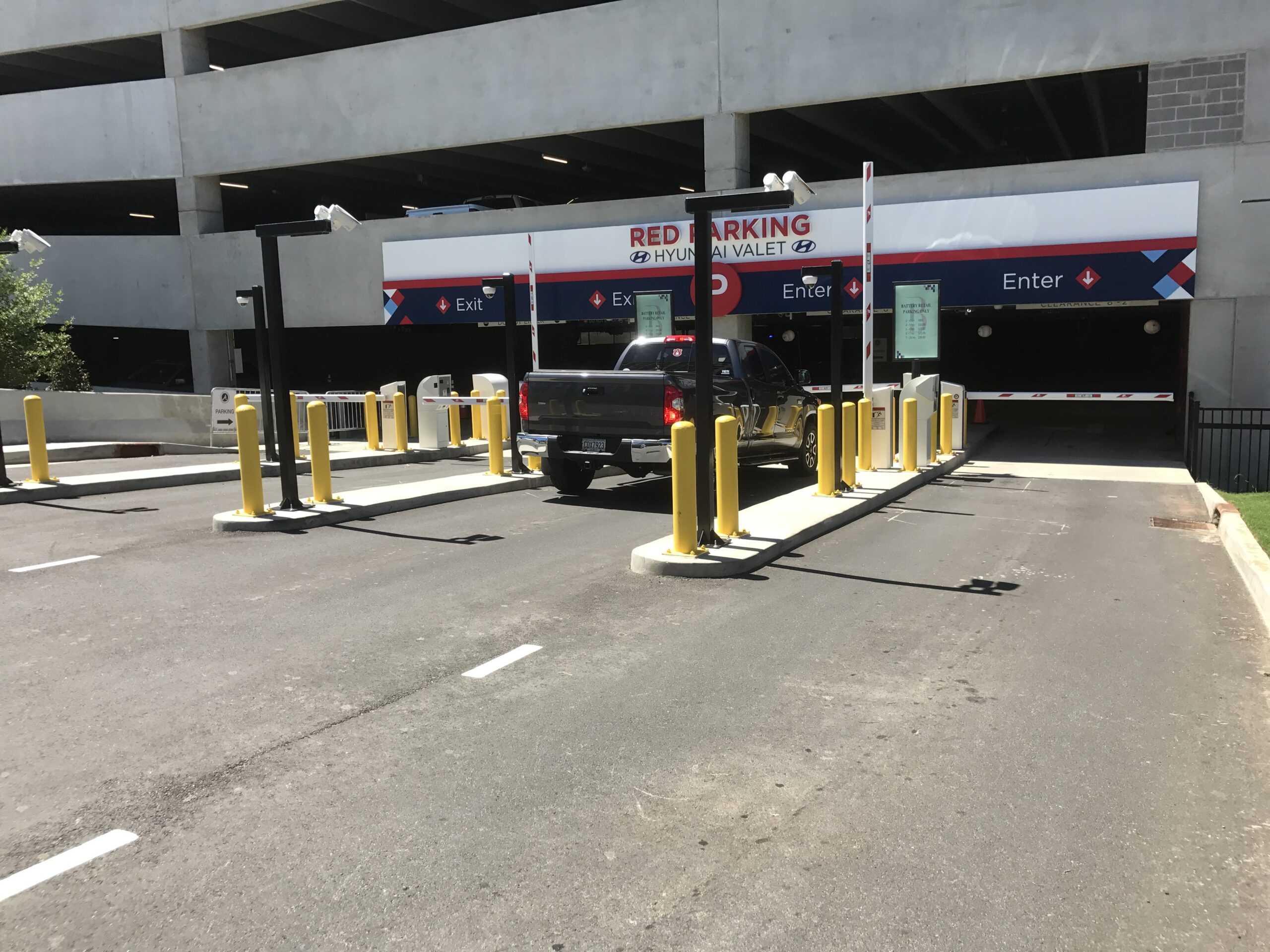
Simply put, smart parking systems use connected technologies to monitor, manage, and optimize parking spaces in real time. Instead of relying on manual observation or outdated parking methods, these systems use sensors, cameras, mobile applications, cloud computing, and smart parking IoT technology to determine parking availability and guide drivers directly to open spaces.
So, what is smart parking system technology designed to accomplish?
Its primary goal is to improve parking efficiency while reducing traffic congestion. Modern smart parking solutions help property owners and city planners monitor occupancy, automate parking operations, and collect valuable data for future planning.
A typical smart parking management software platform combines multiple technologies into one centralized dashboard. Operators can monitor occupancy rates, receive maintenance alerts, generate reports, and manage parking facilities remotely.
Today’s smart parking technology is being adopted across:
- Commercial office buildings
- Hospitals
- Universities
- Airports
- Shopping centers
- Residential communities
- Municipal parking facilities
As cities continue embracing digital infrastructure, smart city parking solutions are becoming an essential component of intelligent transportation systems.
1. Smart Parking Systems Reduce Traffic Congestion
One of the biggest reasons cities are investing in smart parking systems is to reduce unnecessary traffic.
Research consistently shows that drivers searching for parking contribute significantly to congestion in busy urban areas. Every extra minute spent circling parking lots adds to traffic delays, fuel consumption, and driver frustration.
By implementing smart parking solutions, drivers receive real-time information about available parking spaces before they even arrive at a facility. Digital parking guidance signs, mobile applications, and navigation systems direct vehicles to open spaces quickly and efficiently.
For municipalities, improved smart city parking also means:
- Better traffic circulation
- Reduced vehicle emissions
- Lower fuel consumption
- Faster emergency vehicle access
- Improved public transportation efficiency
As more communities adopt smart city parking solutions, transportation networks become more efficient and environmentally sustainable.
2. Smart Parking Solutions Improve Driver Experience
Parking is often the very first interaction someone has with a business or public facility. Long wait times, confusing layouts, and limited parking availability can quickly create a negative experience. Modern smart parking solutions eliminate much of this frustration.
Using mobile applications powered by smart parking management software, drivers can:
- Locate available parking spaces
- Reserve parking in advance
- Navigate directly to their destination
- Make digital payments
- Receive real-time parking updates
Many facilities now integrate smart car parking system technology with mobile apps, allowing visitors to spend less time searching for parking and more time at their destination. As parking expectations continue evolving, smart parking technology is becoming an important part of delivering exceptional customer service.
3. Smart City Parking Management Makes Cities More Efficient
Modern smart city parking management systems allow municipalities to monitor thousands of parking spaces from one centralized platform. Instead of relying on manual enforcement, cities can use smart parking systems to collect occupancy data, identify traffic trends, and optimize parking availability in real time.
Advanced smart parking IoT devices continuously communicate with smart parking management software, giving transportation officials accurate information about parking demand across different neighborhoods and commercial districts.
This data helps city planners:
- Reduce congestion
- Improve enforcement efficiency
- Support future infrastructure planning
- Optimize parking pricing
- Increase parking revenue
- Improve the overall smart city parking experience
Rather than simply managing parking, cities are now creating fully connected smart city parking solutions that support broader transportation goals while improving mobility for residents and visitors alike.
4. Smart Parking Technology Supports Sustainability Goals
This is where smart parking technology makes a measurable difference.
Modern smart parking systems help drivers locate available spaces quickly, reducing unnecessary vehicle movement. By combining smart parking solutions with real-time occupancy data and intelligent navigation, organizations can significantly reduce idle time and improve traffic efficiency.
A smart car parking system also supports electric vehicle (EV) adoption by integrating charging station availability into parking guidance applications. Many modern smart city parking solutions now include EV charging management, helping drivers locate both parking spaces and charging stations in a single platform.
Cities implementing smart city parking initiatives have reported improvements in traffic flow while supporting broader environmental goals. As sustainability becomes increasingly important, smarter parking technologies will continue playing a key role in creating cleaner and more efficient urban environments.
5. Smart Parking Management Software Enables Better Decision-Making
Instead of relying on assumptions, organizations can use smart parking management software to monitor parking activity, analyze trends, and make informed decisions based on real-time information.
A robust smart parking management software platform provides insights such as:
- Peak parking hours
- Occupancy rates
- Average parking duration
- Revenue performance
- Traffic flow patterns
- Frequently used parking areas
Combined with smart parking IoT technology, facility managers can even receive maintenance alerts, monitor equipment performance, and proactively address operational issues before they affect customers. This combination of automation, analytics, and operational intelligence is what makes today’s smart parking systems significantly more effective than traditional parking management methods.
Why Organizations Choose Access Professional Systems?
Implementing successful smart parking solutions requires more than installing sensors or software. It requires a partner with the expertise to design a parking system that aligns with your operational goals, traffic patterns, and security requirements.
At Access Professional Systems, we help organizations implement scalable smart parking systems that improve traffic flow, streamline smart city parking management, and enhance the overall parking experience.
By combining advanced smart parking technology, intelligent automation, and reliable system integration, we help organizations modernize their parking operations while improving efficiency, security, and customer satisfaction.
Whether you’re planning a new facility or upgrading an existing one, our team can help you implement future-ready smart parking systems designed to grow with your organization.
Conclusion
By investing in smart parking systems, organizations can reduce congestion, improve customer experiences, optimize parking utilization, and support long-term sustainability goals. Advanced smart parking solutions, combined with intelligent analytics and smart parking management software, provide greater visibility and operational control than ever before.
If you’re considering upgrading your parking operations, partnering with experienced professionals like Access Professional Systems can help you implement a solution that meets today’s needs while preparing for tomorrow’s challenges.
Frequently Asked Questions
1. What is smart parking system technology and why is it important?
A smart parking system uses connected sensors, cameras, smart parking IoT, and software to monitor parking availability in real time. It improves traffic flow, reduces congestion, optimizes parking utilization, and provides a more convenient experience for drivers while helping operators manage parking facilities more efficiently.
2. How does smart parking system work in commercial parking facilities?
Modern smart parking systems use sensors or cameras to detect vehicle occupancy and send data to smart parking management software. The software processes this information and provides real-time parking availability through mobile apps, digital signage, and management dashboards, helping drivers and operators make faster decisions.
3. What are the biggest benefits of smart parking solutions for businesses?
Smart parking solutions improve customer satisfaction by reducing the time spent searching for parking spaces. They also increase operational efficiency, enhance security, provide valuable analytics, automate parking management tasks, and support better long-term planning for commercial properties and parking operators.
4. What role does Smart Parking IoT play in intelligent parking management?
Smart parking IoT connects parking sensors, cameras, gates, and software through a centralized network. This enables real-time communication between devices, allowing operators to monitor occupancy, automate reporting, improve maintenance, and deliver accurate parking guidance to drivers using smart parking systems.
5. How do smart city parking solutions improve urban transportation?
Smart city parking solutions reduce traffic congestion by directing drivers to available parking spaces more efficiently. They also improve parking enforcement, optimize resource allocation, support sustainability initiatives, and provide valuable transportation data that helps cities build smarter, safer, and more efficient mobility networks.
Share: